Click here to send us an email. Click here to call us.

Author: Amy Riley

As the colder weather gets closer and the season of comfort food is upon us, what could be better than coming home to a sensational soup?

This homemade tomato soup is a comforting and versatile dish, perfect for warming up on a chilly day or as a quick and easy meal. Customise it to your liking, and don’t forget to enjoy it with your favourite accompaniments!

 Ingredients:

2 tablespoons butter or olive oil

1 onion, chopped

2 cloves garlic, minced

1 carrot, chopped (optional, for added sweetness)

2 (14-ounce) cans of whole tomatoes (or 4 cups of fresh tomatoes, peeled and chopped)

1 (14-ounce) can of tomato sauce

2 cups vegetable or chicken broth

1 teaspoon sugar (optional, to balance acidity)

1 teaspoon dried basil

1/2 teaspoon dried oregano

Salt and pepper to taste

1/2 cup heavy cream or half-and-half (optional, for creamier soup)

Fresh basil leaves or croutons for garnish (optional)

 Method:

Step 1 – Sauté the Aromatics: In a large pot or Dutch oven, melt the butter or heat the olive oil over medium heat. Add the chopped onion, garlic, and carrot (if using). Sauté for about 5 minutes, or until the vegetables become soft and translucent.

Step 2 – Add the Tomatoes: If using whole canned tomatoes, crush them with your hands or a wooden spoon and add them to the pot along with their juices. If using fresh tomatoes, add them now. Also, pour in the tomato sauce.

Step 3 – Season and Simmer: Stir in the vegetable or chicken broth, sugar (if using), dried basil, dried oregano, salt, and pepper. Bring the mixture to a boil, then reduce the heat to low. Cover the pot and let the soup simmer for about 15-20 minutes, allowing the flavours to meld.

Step 4 – Blend the Soup: Using an immersion blender, blend the soup directly in the pot until smooth and creamy. If you don’t have an immersion blender, carefully transfer the soup in batches to a blender and blend until smooth, then return it to the pot.

Step 5 – Add Cream (Optional): If you desire a creamier tomato soup, add the heavy cream or half-and-half to the pot and stir well. Allow the soup to heat through but avoid boiling once the cream is added.

Step 6 – Adjust Seasoning: Taste the soup and adjust the seasoning with additional salt, pepper, or sugar if needed to suit your taste.

Step 7 – Serve: Ladle the tomato soup into bowls. Garnish with fresh basil leaves or croutons if desired.


It’s National Curry Week!

To celebrate National Curry Week, this is the best time to share our mouthwatering recipe for a tasty tomato curry…

This tomato curry is a flavourful and comforting dish that’s quick and easy to prepare. The combination of ripe tomatoes and aromatic spices creates a rich and tangy sauce that’s perfect for scooping up with bread or pairing with rice. Adjust the spice level to your liking and savour the delightful taste of this homemade tomato curry. 

Ingredients:

4 large tomatoes, chopped

1 onion, finely chopped

2 cloves garlic, minced

1-inch piece of ginger, minced

2 green chilies, finely chopped (adjust to your spice preference)

1 teaspoon cumin seeds

1 teaspoon coriander powder

1/2 teaspoon turmeric powder

1/2 teaspoon red chilli powder (adjust to taste)

1 teaspoon garam masala

2 tablespoons cooking oil

Salt to taste

Fresh cilantro leaves for garnish

Method:

Step 1 – Heat Oil: Heat the cooking oil in a pan or skillet over medium heat.

Step 2 – Sauté the Aromatics: Add the cumin seeds and let them splutter. Then, add the chopped onion, minced garlic, minced ginger, and green chilies. Sauté until the onions turn translucent and the raw aroma of the garlic and ginger disappears, usually about 3-4 minutes.

Step 3 – Add Spices: Add the coriander powder, turmeric powder, red chilli powder, and a pinch of salt. Sauté for another minute to roast the spices and release their flavours.

Step 4 – Cook the Tomatoes: Add the chopped tomatoes to the pan and stir well. Cook the tomatoes until they become soft and start to break down, about 5-7 minutes. Use the back of your spoon to mash some of the tomato pieces.

Step 5 – Simmer: Reduce the heat to low, cover the pan, and let the mixture simmer for about 10-15 minutes. This will allow the flavours to meld, and the sauce to thicken.

Step 6 – Season: Season the tomato curry with salt and garam masala. Adjust the salt and spice level to your preference by adding more if needed.

Step 7 – Garnish and Serve: Once the tomato curry reaches your desired consistency and flavour, remove it from heat. Garnish with fresh cilantro leaves.

Step 8 – Serve: Tomato curry is excellent when served with steamed rice, naan, or crusty bread. Enjoy!

World Heart Day is celebrated annually on September 29th and is a global campaign dedicated to raising awareness about heart health and cardiovascular disease prevention. It serves as a reminder that heart disease remains the leading cause of death worldwide, yet it’s largely preventable through simple lifestyle changes. On this day, organisations, healthcare professionals, and communities unite to promote heart-healthy practices such as regular physical activity, maintaining a balanced diet, and avoiding tobacco use. World Heart Day encourages individuals to prioritise their cardiovascular health and underscores the importance of early detection and management of heart-related conditions. It’s a day to inspire positive choices and to emphasise that everyone can take steps towards a healthier heart, ultimately reducing the burden of heart disease on a global scale.

Tomatoes have many benefits for one’s heart due to their rich content of lycopene, an antioxidant that helps reduce the risk of heart disease by preventing the oxidation of LDL cholesterol.

They improve Cardiovascular Health as tomatoes are rich in lycopene, an antioxidant known for its heart-protective properties. Lycopene helps reduce the risk of heart disease by preventing the oxidation of LDL cholesterol, a major contributor to atherosclerosis.

They also benefit Blood Pressure Regulation as the potassium content in tomatoes plays a role in regulating blood pressure. A diet that includes potassium-rich foods like tomatoes can help lower high blood pressure, reducing the strain on the heart and decreasing the risk of hypertension-related heart issues.

Finally tomatoes Lower Inflammation as they contain anti-inflammatory compounds like vitamin C and beta-carotene, which can help reduce inflammation in the blood vessels. Chronic inflammation is associated with heart disease, making tomatoes a valuable addition to an anti-inflammatory diet that supports heart health.

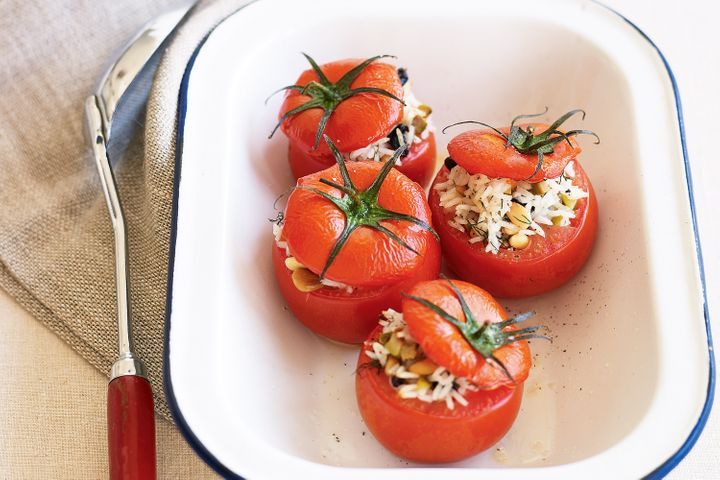
Mediterranean Stuffed Tomatoes with Quinoa are a flavourful and nutritious dish that can be served as a main course or a hearty side dish. Enjoy the combination of fresh tomatoes, tangy feta cheese, aromatic herbs, and wholesome quinoa!

Not only is this delicious dish visually appealing but also packed with vibrant flavours. The blend of ingredients creates a delightful Mediterranean-inspired dish that’s both satisfying and nutritious.

Ingredients:

  •       4 large tomatoes
  •       1 cup cooked quinoa
  •       1/2 cup crumbled feta cheese
  •       1/4 cup chopped Kalamata olives
  •       1/4 cup chopped fresh parsley
  •       1/4 cup chopped fresh basil
  •       2 cloves garlic, minced
  •       2 tablespoons extra-virgin olive oil
  •       1 tablespoon lemon juice
  •       Salt and pepper to taste

Instructions:

Step 1 – Preheat the Oven: Preheat your oven to 190°C

Step 2 – Prepare the Tomatoes: Cut the tops off the tomatoes and set them aside. Carefully scoop out the pulp and seeds from the tomatoes using a spoon, creating a hollow cavity. Reserve the pulp for later use.

Step 3 – Make the Filling: In a mixing bowl, combine the cooked quinoa, crumbled feta cheese, chopped olives, chopped parsley, chopped basil, and minced garlic.

Step 4 – Prepare the Tomato Pulp: Take the reserved tomato pulp and seeds and gently squeeze out excess juice. Chop the pulp and add it to the quinoa mixture.

Step 5 – Season and Mix: Drizzle the extra-virgin olive oil and lemon juice over the quinoa mixture. Season with salt and pepper to taste. Gently mix all the ingredients until well combined.

Step 6 – Stuff the Tomatoes: Using a spoon, stuff each hollow tomato with the quinoa mixture, pressing it down gently to pack it.

Step 7 – Replace the Tomato Tops: Place the tops of the tomatoes back on, creating a lid for the stuffed tomatoes.

Step 8 – Bake: Place the stuffed tomatoes in a baking dish or on a baking sheet. Bake in the preheated oven for about 20-25 minutes, or until the tomatoes are softened and the filling is heated through.

Step 9 – Serve: Carefully transfer the stuffed tomatoes to serving plates. You can remove the tomato tops before serving or leave them on for presentation. Drizzle with a little extra olive oil and sprinkle with additional chopped herbs if desired.

As summer transitions into autumn, it’s essential to give your tomato plants the care they need to thrive in changing conditions. Tomatoes can be sensitive to temperature fluctuations and decreasing daylight hours, so proper attention is crucial to ensure a bountiful harvest and healthy plants. In this blog, we’ll explore three valuable tips to help your tomato plants as they head into autumn.

  1.     Pruning and Managing Foliage:

As autumn approaches, it’s time to reassess the foliage on your tomato plants. Overly dense foliage can inhibit air circulation and trap moisture, creating a breeding ground for fungal diseases. Here’s what you can do:

  •       Remove Excess Foliage: Prune away any excess leaves and branches that have become overcrowded. Focus on the lower leaves, especially those touching the ground, as they are more susceptible to diseases. This will improve air circulation and reduce the risk of fungal infections like late blight.
  •       Stake or Cage Support: Ensure that your tomato plants are adequately supported by stakes or cages to keep the fruits off the ground. This not only prevents rot but also makes it easier to access the ripening tomatoes.
  •       Mulch: Apply a layer of mulch around the base of your tomato plants. Mulch helps regulate soil temperature, conserve moisture, and reduce the splashing of soil onto the leaves, which can carry diseases.
  1.     Adjusting Watering Practices:

Autumn often brings cooler and more humid conditions, which can affect your tomato plants’ water needs. Here’s how to adapt your watering practices:

  •       Reduce Frequency: With cooler temperatures and shorter daylight hours, tomato plants generally require less water. Adjust your watering schedule accordingly, allowing the top inch or two of soil to dry out between waterings. Overwatering can lead to root rot and other issues.
  •       Water at the Base: To prevent fungal diseases, water your tomato plants at the base, avoiding overhead watering. Drip irrigation or a soaker hose is an effective way to deliver water directly to the root zone.
  1.     Protecting from Early Frosts:

Autumn nights can bring unexpected frosts that pose a threat to your tomato plants. To safeguard your harvest, consider the following:

  •       Cover Plants: When frost is in the forecast, cover your tomato plants with blankets, row covers, or frost cloth. This provides insulation and helps trap heat radiating from the soil, protecting the plants from frost damage.
  •       Harvest Green Tomatoes: If a hard frost is imminent and your tomatoes haven’t ripened yet, consider harvesting them while they are still green. Place them in a cool, dark place and allow them to ripen slowly indoors.

 Transitioning your tomato plants into autumn can be a rewarding endeavour with these essential tips. Proper pruning, adjusted watering practices, and protection from early frosts will help ensure a healthy and productive tomato crop as the seasons change. By giving your tomatoes the care they need in the fall, you can continue to enjoy delicious, homegrown tomatoes well into the cooler months.

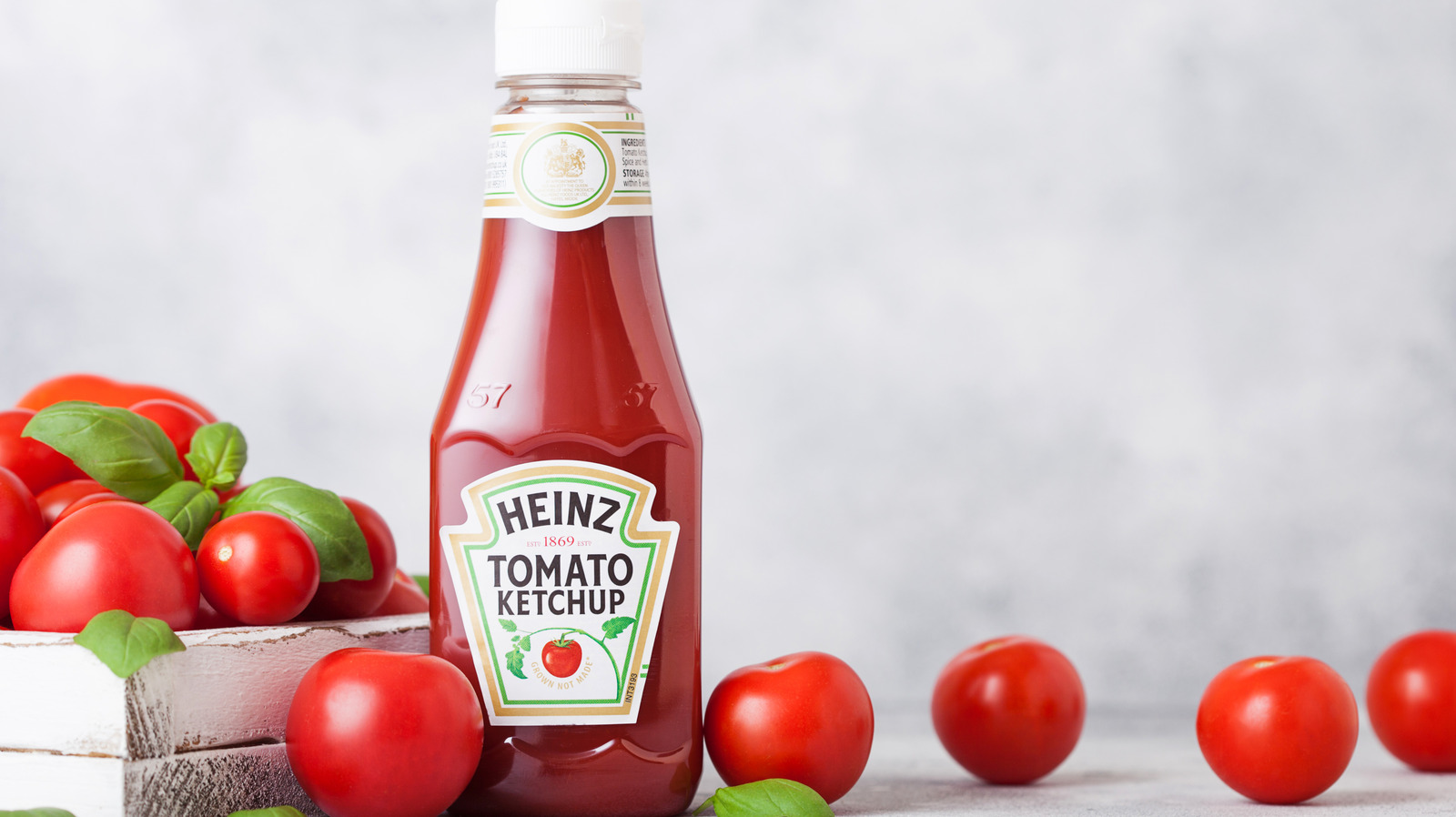
In the world of condiments, tomato ketchup holds a special place in the hearts of many, and the United Kingdom is no exception. Whether it’s drizzled on chips, slathered on burgers, or used as a dip for a hearty bacon sandwich, ketchup is a beloved companion to numerous British dishes. But which brand of tomato ketchup reigns supreme as the UK’s favourite? Join us on a saucy journey to uncover the brand that holds the top spot and explore why it has earned the adoration of Brits across the country.

Heinz: The Unrivalled Champion

When it comes to tomato ketchup in the UK, one name consistently rises above the rest – Heinz. With its iconic glass bottle and unmistakable taste, Heinz Tomato Ketchup has won the hearts and taste buds of Brits for generations. But what sets Heinz apart, making it the undisputed champion of ketchup in the UK?

Time-Tested Tradition

Heinz Tomato Ketchup has a long and storied history in the UK, dating back to the late 19th century. Its enduring presence on British dining tables has established a sense of tradition and nostalgia. Many Brits have fond memories of squeezing that familiar bottle, making it a staple in countless family meals and gatherings.

Consistency is Key

One of the reasons Heinz has maintained its popularity is its unwavering commitment to consistency. The recipe remains virtually unchanged over the years, ensuring that each dollop of ketchup tastes just as delicious and familiar as the last. Brits have come to rely on the dependable flavour and quality of Heinz.

Versatility and Reliability

Heinz Tomato Ketchup’s versatility is another reason it’s the go-to choice for many. It pairs perfectly with a wide range of dishes, from the classic bacon butty to gourmet burgers and everything in between. Its thick, rich texture and balanced sweetness complement a variety of flavours, making it a reliable condiment for any meal.

The Ketchup Craze: Beyond Heinz

While Heinz Tomato Ketchup undoubtedly holds the crown, the UK’s ketchup scene has witnessed a surge in creativity and diversity in recent years. Artisanal and small-batch ketchup producers have emerged, offering unique flavours and ingredients that cater to evolving tastes.

Some adventurous eaters are exploring alternatives like spicy ketchup, beetroot ketchup, or even homemade versions, adding a new layer of excitement to the ketchup experience. These options, while not dethroning Heinz, have carved out their niches among curious food enthusiasts.

In the UK, Heinz Tomato Ketchup remains the undisputed favourite, an integral part of the nation’s culinary identity. Its enduring appeal lies in tradition, reliability, and versatility, making it a beloved condiment that continues to win over hearts and palates. While other ketchup options may tantalize taste buds, Heinz’s legacy is a testament to the enduring love affair between Brits and their favourite tomato ketchup. Whether it’s a chip butty or a gourmet burger, you can be sure that a dollop of Heinz Tomato Ketchup will always be close at hand.

These Tomato and Mozzarella Panini are a delightful combination of flavours and textures. The juicy tomatoes, creamy mozzarella, and fragrant basil create a harmonious taste that’s enhanced by the crispy, toasted bread. Whether enjoyed as a quick lunch or a satisfying dinner, these panini are a treat for your taste buds.

Ingredients:

  •       4 ciabatta rolls or slices of rustic bread
  •       2 medium tomatoes, sliced
  •       8 ounces fresh mozzarella cheese, sliced
  •       Fresh basil leaves
  •       2 tablespoons balsamic glaze (optional)
  •       2 tablespoons olive oil
  •       Salt and pepper to taste

Method:

Step 1 – Preheat the Panini: If you’re using a panini press, preheat it according to the manufacturer’s instructions. If using a pan on the hob, heat it over medium-high heat.

Step 2 – Assemble the Panini: Slice the ciabatta rolls in half if they’re not pre-sliced, layer the mozzarella slices on one side of each roll, arrange the tomato slices on top of the mozzarella, place fresh basil leaves over the tomatoes, drizzle a little balsamic glaze over the basil if desired, season with a pinch of salt and pepper.

Step 3 – Close and Brush with Olive Oil: Close the sandwiches with the other halves of the ciabatta rolls. Brush the outer sides of the sandwiches with olive oil. This will help the bread get crispy and golden when grilled.

Step 4 – Grill the Panini: If using a panini press, place the assembled panini onto the preheated press. Close the lid and cook for about 3-5 minutes, or until the bread is golden and the cheese is melted. If using a frying pan, place the assembled panini onto the hot pan. Use a heavy skillet or a panini press to press down on the sandwiches. Cook for about 2-3 minutes on each side, until the bread is toasted and the cheese is melted.

Step 5 – Serve and Enjoy: Once the panini are ready, remove them from the grill or press. Allow them to cool for a minute before slicing in half. Serve the Tomato and Mozzarella Panini while they’re still warm and the cheese is gooey.

This Margherita Pizza is a timeless favourite that highlights the simplicity and quality of its ingredients. The combination of tomato sauce, fresh mozzarella, and fragrant basil creates a burst of flavours with every bite. Whether you’re making it for a casual dinner or a special occasion, Margherita Pizza never fails to satisfy.

Ingredients:

For the Pizza Dough:

  •       1 pound pizza dough (shop-bought or homemade)
  •       Flour, for dusting


For the Pizza Sauce:

  •       1 can (14 ounces) crushed tomatoes
  •       2 cloves garlic, minced
  •       1 tablespoon extra-virgin olive oil
  •       1 teaspoon dried basil
  •       1 teaspoon dried oregano
  •       Salt and pepper to taste

For the Toppings:

  •       8 ounces fresh mozzarella cheese, sliced
  •       Fresh basil leaves
  •       Extra-virgin olive oil, for drizzling
  •       Salt and pepper to taste


Method:

Step 1 – Preheat the Oven: Preheat your oven to the highest temperature it can reach (usually around 260°C). If you have a pizza stone, place it in the oven to preheat as well.

Step 2 – Prepare the Sauce: In a saucepan, heat the olive oil over medium heat. Add the minced garlic and sauté for about 1 minute until fragrant. Pour in the crushed tomatoes and add the dried basil, dried oregano, salt, and pepper. Simmer the sauce for about 10-15 minutes until it thickens slightly. Remove from heat and set aside.

Step 3 – Roll Out the Dough: On a floured surface, roll out the pizza dough into a circle or your desired shape. If the dough is sticking, you can dust it with a bit more flour.

Step 4 – Transfer to Pizza Peel or Baking Sheet: If using a pizza stone, sprinkle some cornmeal on a pizza peel to prevent sticking. If you’re using a baking sheet, you can place the rolled-out dough directly on it.

Step 5 – Add Sauce and Cheese: Spread a thin layer of the prepared pizza sauce over the dough, leaving a border around the edges. Place the sliced mozzarella evenly over the sauce.


Step 6 – Bake the Pizza: If using a pizza stone, carefully slide the pizza onto the preheated stone in the oven. If using a baking sheet, simply place the baking sheet in the oven. Bake the pizza for about 10-12 minutes, or until the crust is golden and the cheese is melted and bubbly.

Step 7 – Garnish and Finish: Once the pizza is out of the oven, immediately scatter fresh basil leaves over the hot cheese. Drizzle a bit of extra-virgin olive oil over the pizza and season with a sprinkle of salt and pepper.

Step 8 – Slice and Serve: Allow the pizza to cool for a minute or two before slicing it into wedges. Serve the Margherita Pizza while it’s still hot and enjoy the wonderful flavours of the classic combination.

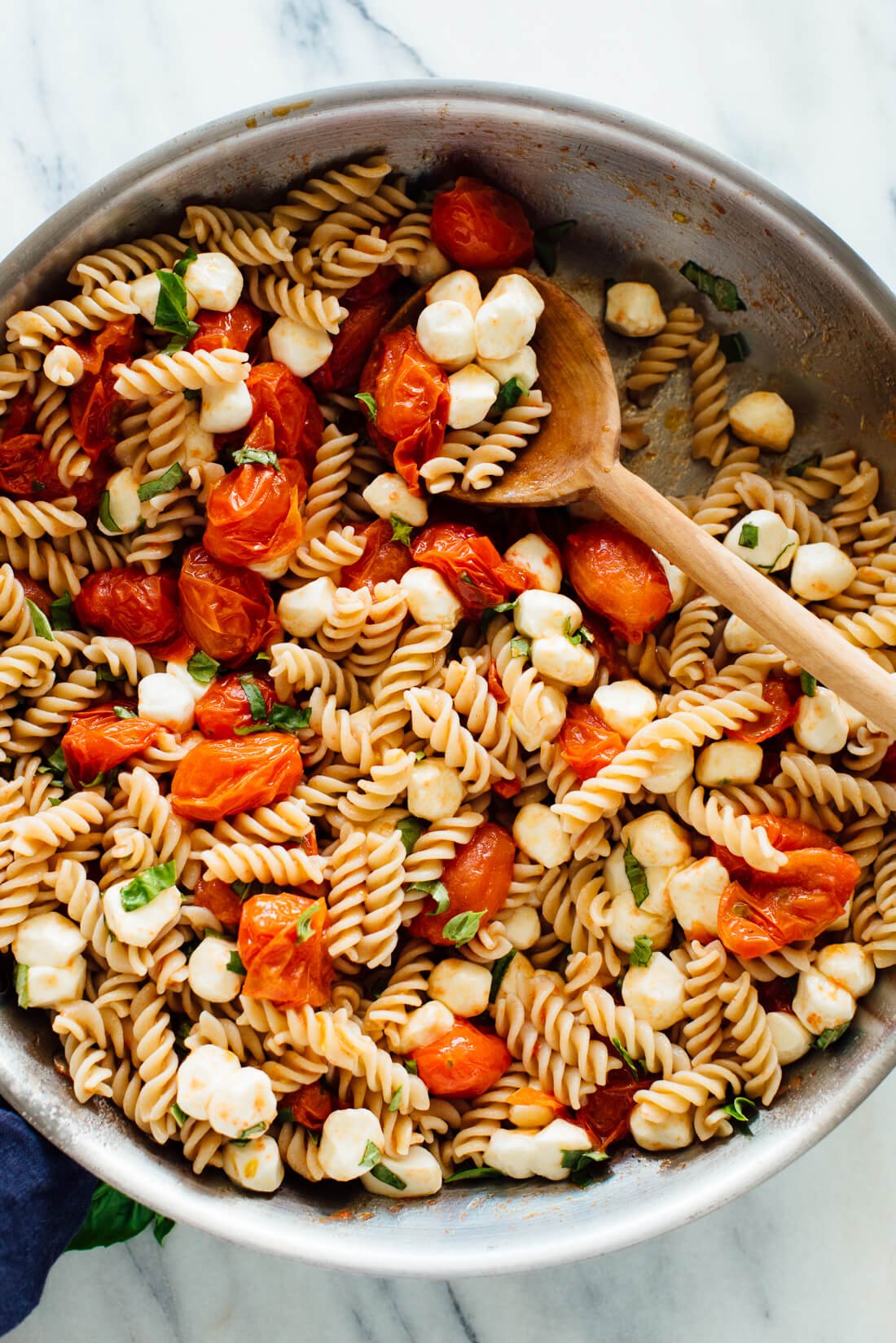
This Caprese Pasta Salad is a delightful fusion of the classic Caprese flavours—juicy tomatoes, creamy mozzarella, and fragrant basil—combined with pasta for a heartier dish. The balsamic dressing adds a tangy and slightly sweet note that complements the ingredients perfectly. Enjoy the harmony of flavours in this simple yet impressive pasta salad! 

Ingredients:

For the Salad:

  •       8 ounces (about 2 cups) cherry tomatoes, halved
  •       8 ounces fresh mozzarella cheese, cubed
  •       1 cup fresh basil leaves, torn
  •       8 ounces pasta (such as fusilli, penne, or farfalle)
  •       Salt for pasta water

For the Dressing:

  •       1/4 cup extra-virgin olive oil
  •       2 tablespoons balsamic vinegar
  •       1 clove garlic, minced
  •       Salt and pepper to taste

Method:

Step 1 – Cook the Pasta: Bring a large pot of salted water to a boil. Add the pasta and cook according to the package instructions until al dente. Drain the pasta and rinse it under cold water to cool it down. Set aside.

Step 2 – Prepare the Dressing: In a small bowl, whisk together the extra-virgin olive oil, balsamic vinegar, minced garlic, salt, and pepper to create the dressing. Set aside.

Step 3 – Combine Ingredients: In a large mixing bowl, combine the cooked and cooled pasta, halved cherry tomatoes, cubed fresh mozzarella, and torn fresh basil leaves.

Step 4 – Add the Dressing: Drizzle the dressing over the pasta salad ingredients. Gently toss the salad to ensure all the components are coated with the flavourful dressing.

Step 5 – Chill and Serve: Cover the bowl with plastic wrap or a lid and refrigerate the Caprese Pasta Salad for at least 30 minutes to allow the flavours to meld together.

Step 6 – Garnish and Enjoy: Before serving, give the salad a final toss. If desired, you can garnish the salad with additional fresh basil leaves or a sprinkle of grated Parmesan cheese for extra flavour.

Step 7 – Serve: Caprese Pasta Salad is perfect as a refreshing side dish for picnics, barbecues, potlucks, or as a light and satisfying main course for lunch or dinner.

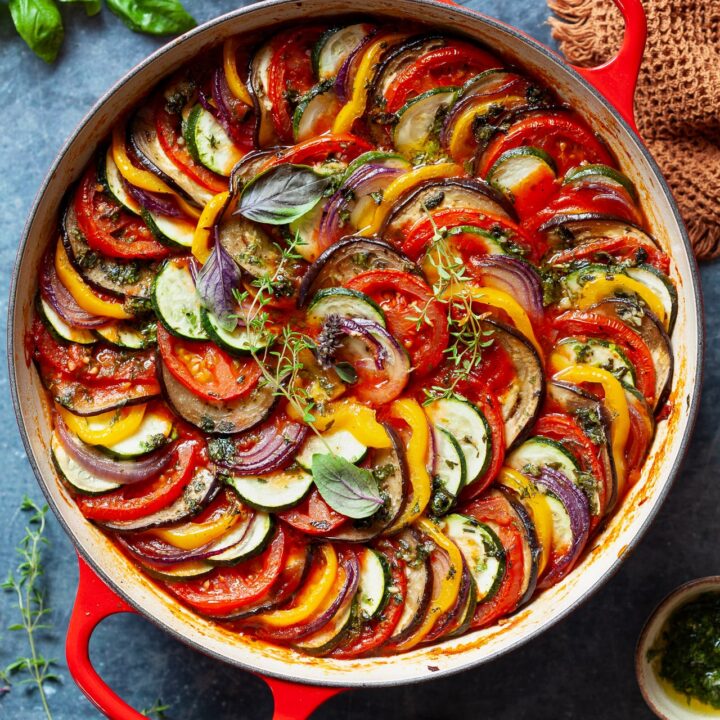
This traditional Ratatouille recipe celebrates the natural flavours of seasonal vegetables, resulting in a comforting and nutritious dish that will please both vegetarians and non-vegetarians alike. Enjoy the delightful taste of this French classic!

Ingredients:

  • 1 eggplant, cut into 1-inch cubes
  • 2 zucchinis, sliced
  • 1 red bell pepper, cut into 1-inch pieces
  • 1 yellow bell pepper, cut into 1-inch pieces
  • 1 green bell pepper, cut into 1-inch pieces
  • 1 large onion, chopped
  • 4 cloves garlic, minced
  • 4 large tomatoes, diced
  • 1/4 cup tomato paste
  • 2 tablespoons olive oil
  • 1 tablespoon fresh thyme leaves
  • 1 tablespoon fresh rosemary leaves
  • Salt and pepper to taste
  • Fresh basil leaves for garnish

Method:

  1. Sauté the Onions and Garlic: In a large pot or Dutch oven, heat the olive oil over medium heat. Add the chopped onions and sauté until they become translucent. Stir in the minced garlic and continue to cook for another minute until the garlic becomes fragrant.
  2. Add the Bell Peppers: Toss in the cut bell peppers and cook for a few minutes until they start to soften.
  3. Incorporate the Eggplant and Zucchini: Add the eggplant and zucchinis to the pot. Stir everything together, allowing the vegetables to cook for about 5 minutes until they begin to brown slightly.
  4. Stir in the Tomatoes and Tomato Paste: Add the diced tomatoes and tomato paste to the pot. Mix well to combine all the flavours.
  5. Season the Ratatouille: Sprinkle the fresh thyme and rosemary leaves over the vegetables. Season with salt and pepper to taste.
  6. Simmer the Ratatouille: Reduce the heat to low and cover the pot. Let the Ratatouille simmer for about 20-25 minutes, stirring occasionally, until all the vegetables are tender and the flavours have melded together.
  7. Garnish and Serve: Once the Ratatouille is ready, remove it from the heat. Garnish with fresh basil leaves for added freshness and aroma.
  8. Enjoy: Ratatouille can be served as a standalone dish, over couscous or quinoa, or as a side to grilled meats or fish.