Click here to send us an email. Click here to call us.

Author: Amy Riley

In the vast world of tomatoes, the Piccolo variety stands out as a petite powerhouse of flavour. These small, vibrant tomatoes may be diminutive in size, but their taste packs a punch that rivals their larger counterparts. In this blog, we delve into the unique characteristics, cultivation tips, and culinary delights offered by the charming Piccolo tomato.

  1. Tiny Marvels of Flavour:

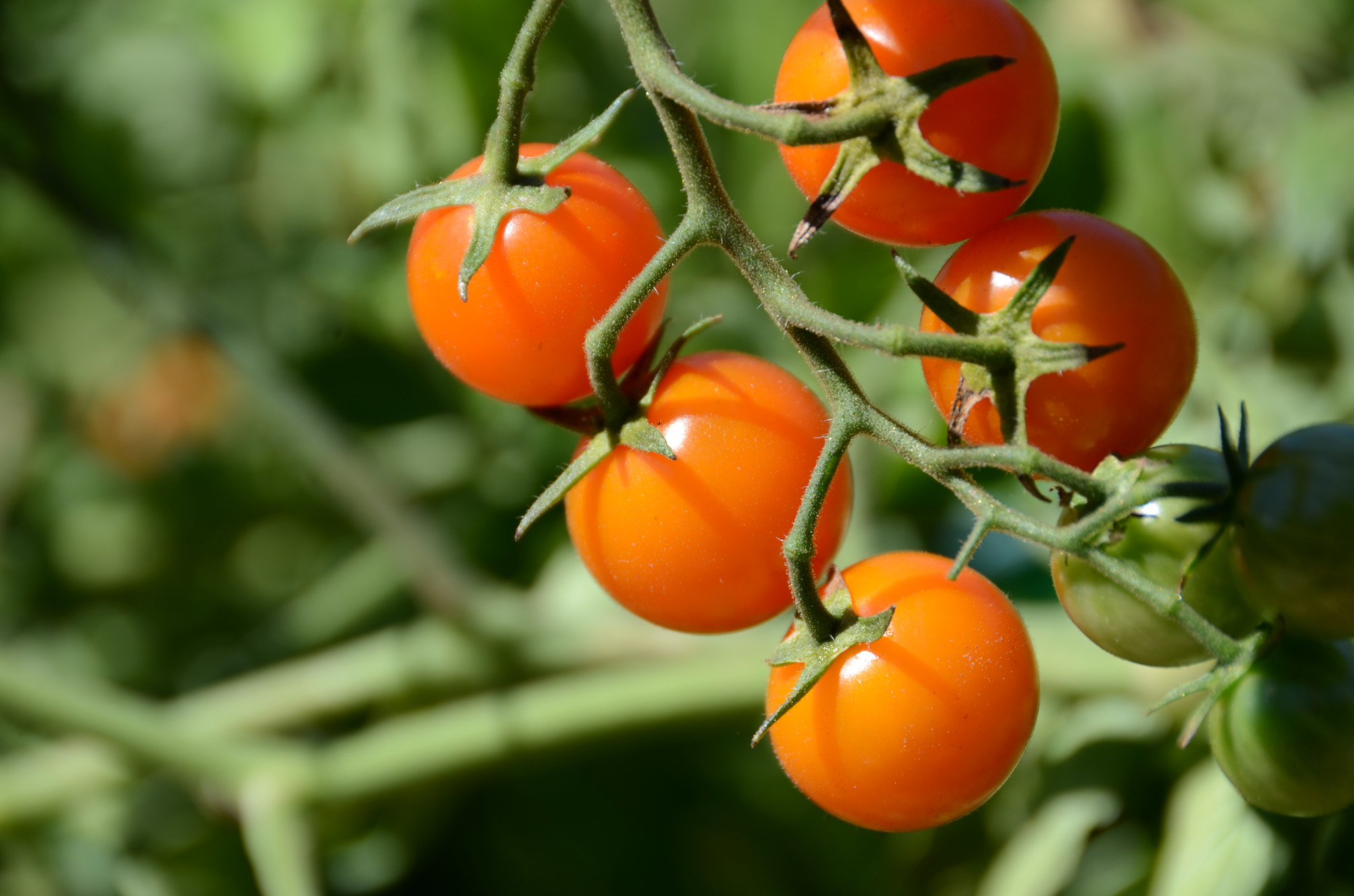
Piccolo tomatoes, aptly named for their small size, typically measure about one inch in diameter. Despite their petite stature, these tomatoes are bursting with intense, sweet, and tangy flavours. The concentrated taste is often described as a delightful blend of sweetness and acidity, making them a favourite among tomato enthusiasts.

  1. Appearance and Varieties:

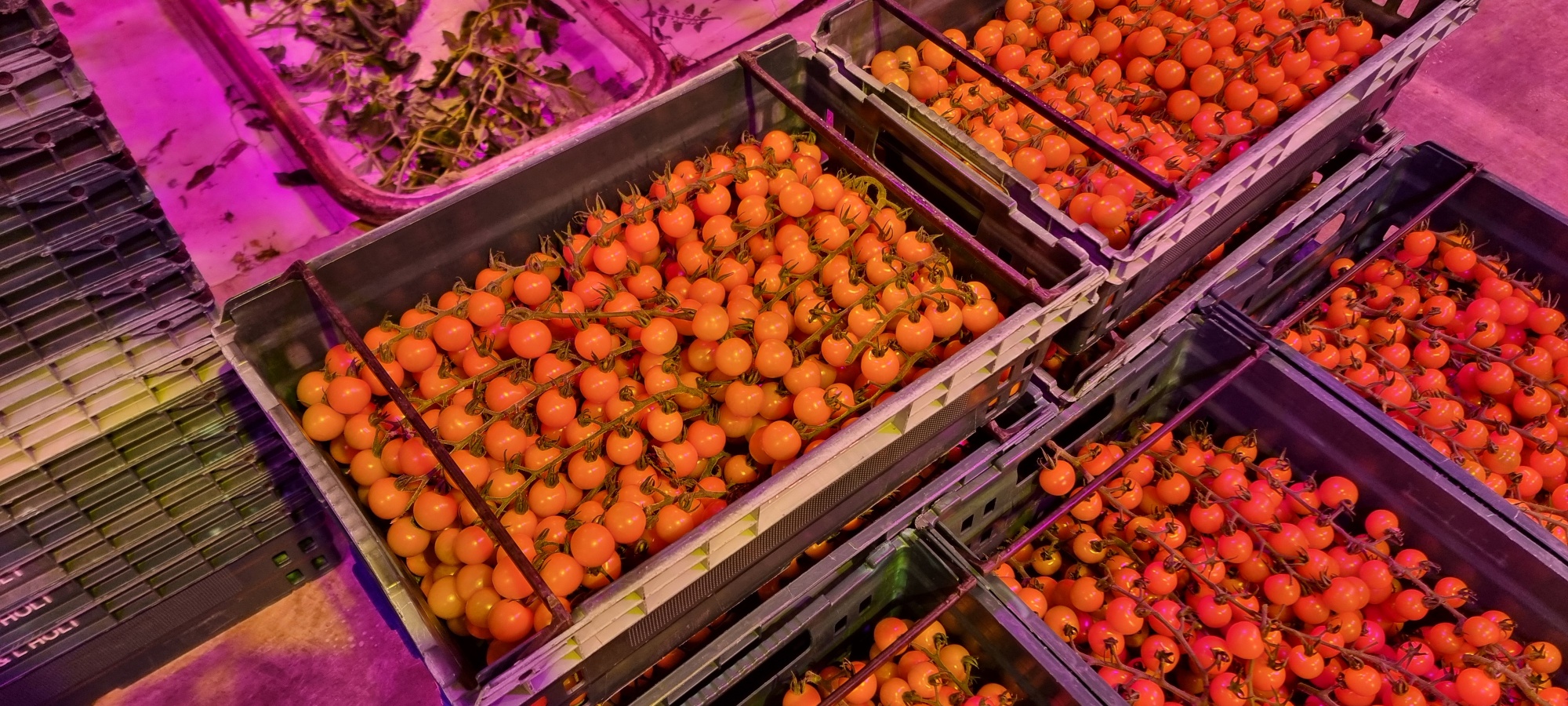
Piccolo tomatoes come in various colours, with red and yellow being the most common. The red Piccolo tomatoes exhibit a classic tomato hue, while the yellow variety offers a bright and sunny alternative. Both types share the same rich flavour profile. Their round shape and glossy skin contribute to their visual appeal, making them an attractive addition to salads and culinary presentations.

  1. Cultivation Tips:

Growing Piccolo tomatoes can be a rewarding experience, whether you’re a seasoned gardener or a novice. Here are some cultivation tips to ensure a thriving Piccolo tomato plant:

  • Container Gardening: Piccolo tomatoes, being compact plants, adapt well to container gardening. Choose a pot with good drainage and fill it with nutrient-rich soil.
  • Sunlight Requirements: Like their larger counterparts, Piccolo tomatoes thrive in full sunlight. Ensure they receive at least six to eight hours of direct sunlight daily for optimal growth and fruit development.
  • Watering: Keep the soil consistently moist, avoiding waterlogging. Mulching around the base of the plant helps retain moisture and regulate soil temperature.
  • Support and Pruning: Provide support for the plants, especially when they start bearing fruit. Stake or cage the plants to prevent sprawling. Regular pruning of excess foliage encourages better air circulation and minimizes the risk of diseases.
  1. Culinary Delights:

The versatility of Piccolo tomatoes extends to the kitchen, where their intense flavour elevates a variety of dishes. Here are some culinary delights to explore:

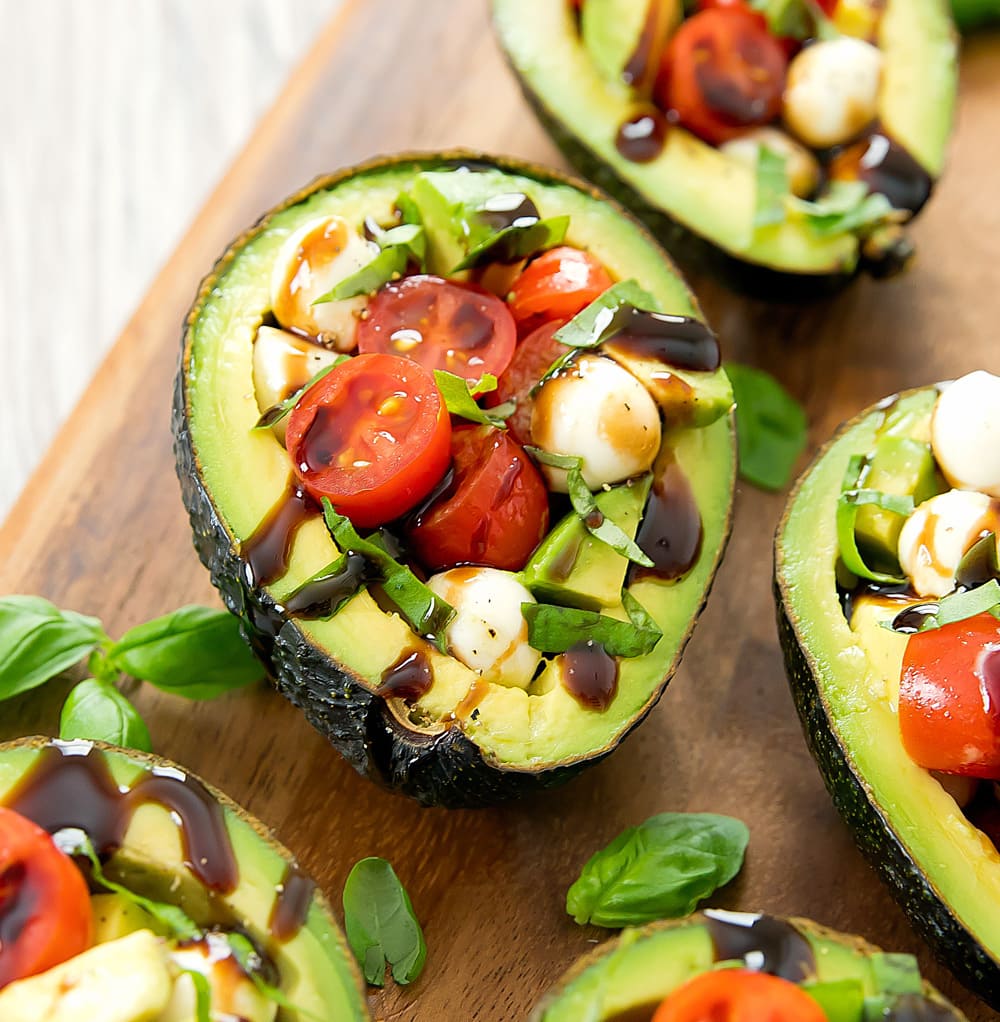
  • Fresh Salads: Add a burst of flavour to salads by tossing in halved Piccolo tomatoes. Their vibrant colours and rich taste complement greens and other vegetables.
  • Bruschetta: Create a classic bruschetta by combining diced Piccolo tomatoes with garlic, basil, olive oil, and a pinch of salt. Serve on toasted bread for a simple yet delightful appetizer.
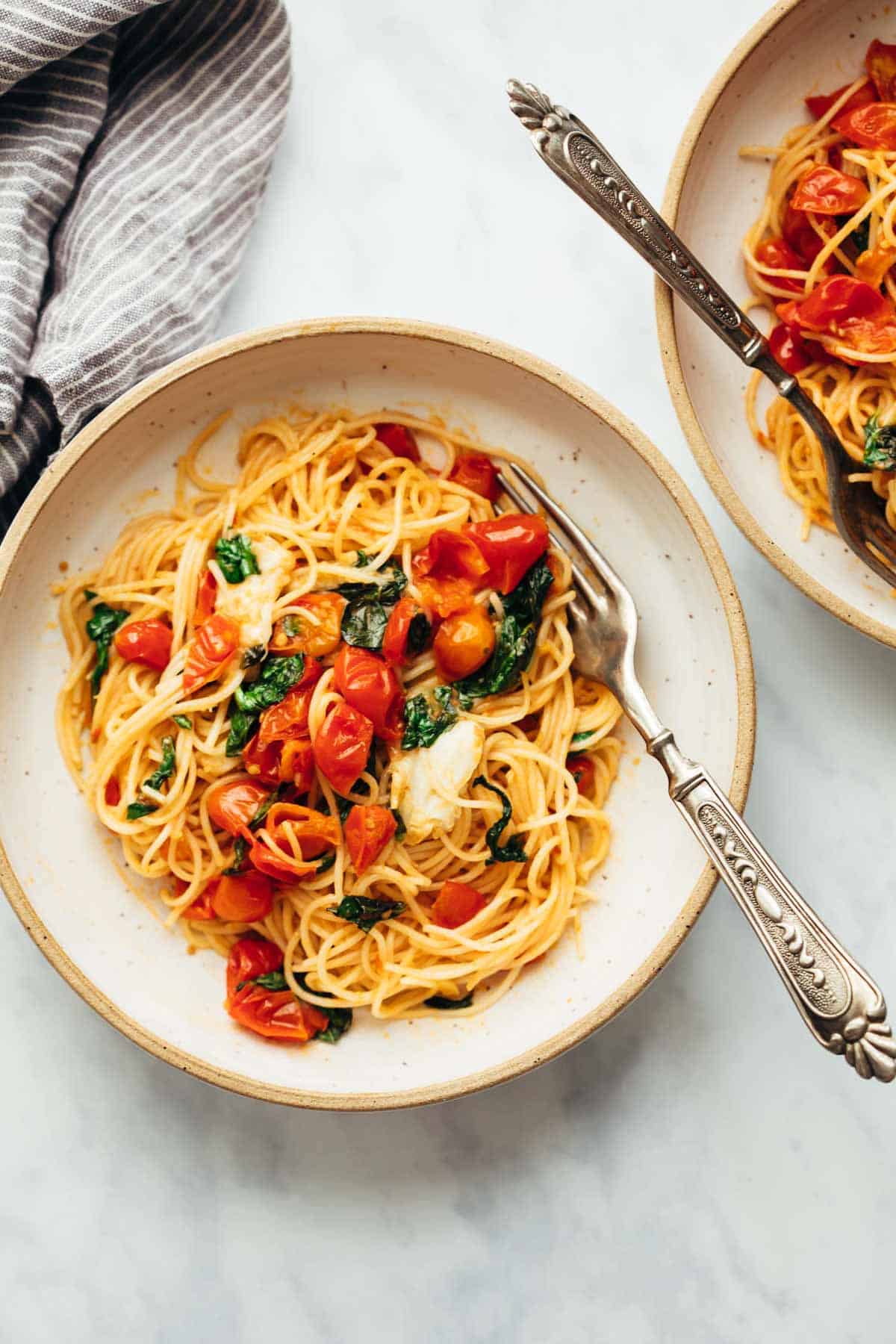
  • Pasta Sauces: Piccolo tomatoes make excellent pasta sauces. Simmer them with garlic, onions, and herbs for a quick and flavourful tomato sauce.

The Piccolo tomato variety is a testament to the idea that good things often come in small packages. From their intense flavour to their adaptability in cultivation, Piccolo tomatoes have earned a special place in the hearts of gardeners and food enthusiasts alike. Whether enjoyed fresh in salads or incorporated into a variety of dishes, these tiny marvels never fail to deliver a burst of summer goodness. Consider introducing the Piccolo tomato to your garden or kitchen for a delightful experience that proves great flavour knows no size.

Are you looking for a comforting winter snack? This Winter Tomato Bruschetta is the perfect plate, offering a burst of freshness and flavour during the colder months. The combination of ripe tomatoes, aromatic basil, and the slight tang of balsamic vinegar is a delightful contrast to the warm, toasted baguette. Whether you serve it at a winter gathering or simply as a cozy snack by the fireplace, it’s sure to brighten your winter days!

Ingredients:

4 ripe Roma tomatoes, diced

1/4 cup red onion, finely chopped

2 cloves garlic, minced

1/4 cup fresh basil, chopped

2 tablespoons extra-virgin olive oil

1 tablespoon balsamic vinegar

Salt and pepper to taste

1 French baguette, sliced into 1/2-inch thick rounds

1/4 cup vegan or regular cream cheese (optional)

Method:

Step 1 – Prepare the Tomato Topping: In a bowl, combine the diced tomatoes, red onion, minced garlic, and fresh basil. Drizzle extra-virgin olive oil and balsamic vinegar over the mixture. Season with salt and pepper to taste. Gently toss to combine all the ingredients. Set aside and allow the flavours to meld while you prepare the baguette slices.

Step 2 – Toast the Baguette: Preheat your oven’s broiler or a toaster oven. Place the baguette slices on a baking sheet and lightly toast them under the broiler for 1-2 minutes on each side, or until they become golden brown.

Step 3 – Spread Cream Cheese (Optional): If you’d like to add a creamy layer to your bruschetta, spread a thin layer of vegan or regular cream cheese on each toasted baguette slice.

Step 4 – Top with Tomato Mixture: Spoon a generous portion of the tomato topping onto each baguette slice. Make sure to include a good balance of tomatoes, onions, and fresh basil.

Step 5 – Serve: Arrange your winter tomato bruschetta on a serving platter, and garnish with additional fresh basil leaves. These can be enjoyed immediately while they’re still warm.

While winter typically signals a slowdown in gardening, cultivating tomatoes at home during the colder months is not only possible but incredibly rewarding. With a bit of planning and the right techniques, you can enjoy the juicy goodness of homegrown tomatoes even when the snow is falling outside. In this guide, we’ll explore the steps to successfully grow tomatoes indoors during the winter months.

  1.  Selecting Tomato Varieties:

Choose tomato varieties that are well-suited for indoor growing. Compact or dwarf varieties work best, as they adapt well to container gardening. Cherry tomatoes, such as Tiny Tim or Micro Tom, are popular choices for indoor cultivation due to their smaller size and shorter growing season.

  1. Choosing the Right Containers:

Opt for containers with good drainage to prevent waterlogging. Use nutrient-rich, well-aerated potting soil that retains moisture. Consider self-watering containers to maintain consistent soil moisture levels. Each tomato plant should ideally have a container with a minimum size of 5 gallons.

  1. Providing Adequate Light:

Light is crucial for indoor tomato plants, especially during winter when natural sunlight is limited. Place your containers near a south-facing window to maximize sunlight exposure. Additionally, supplement natural light with artificial grow lights, placing them 6-12 inches above the plants for 12-16 hours per day. High-quality LED or fluorescent lights work well for this purpose.

  1. Optimising Temperature and Humidity:

Tomatoes thrive in temperatures between 65°F and 75°F (18°C to 24°C). Ensure your indoor space maintains these temperatures, avoiding drafts and sudden temperature fluctuations. Use a humidity tray or humidifier to maintain a humidity level of around 50-70%, as tomatoes appreciate slightly higher humidity.

  1. Pollination Techniques:

In the absence of outdoor pollinators, you may need to assist in the pollination process. Gently shake the plants or use a small, soft brush to transfer pollen between flowers. This mimics the action of bees and helps ensure proper fruit development.

  1. Feeding and Watering:

Use a balanced, water-soluble fertiliser to provide essential nutrients to your tomato plants. Feed them every 2-3 weeks during the growing season. Water consistently, keeping the soil evenly moist but not waterlogged. Adjust watering frequency based on the specific needs of your tomato variety.

  1. Pruning for Productivity:

Regularly prune your tomato plants to encourage airflow and prevent the development of diseases. Pinch off suckers (side shoots) to direct the plant’s energy toward fruit production. Additionally, remove any yellowing or damaged leaves.

Happy gardening!

Happy National Nacho Day!

To celebrate National Nacho Day, try out this tomato nachos recipe. They are a delightful combination of fresh and zesty flavours, making for a vibrant, satisfying snack or appetiser, and the juicy tomato base adds a unique twist to this classic dish. Enjoy the burst of tomato goodness in every bite!

Tomato nachos are a refreshing twist on the classic nacho dish. They are packed with flavour, and the tomatoes add a burst of juiciness to every bite. This recipe is perfect for a quick snack or appetiser for gatherings.

Ingredients:

4 large ripe tomatoes, sliced into rounds

1 cup tortilla chips

1 cup vegan or regular shredded cheese (cheddar, Monterey Jack, or a blend)

1/2 cup black beans, cooked and drained

1/2 cup corn kernels (fresh, frozen, or canned)

1/4 cup sliced black olives

1/4 cup diced red onion

1/4 cup chopped fresh cilantro

1 jalapeño pepper, thinly sliced (optional, for some heat)

1/2 teaspoon ground cumin

1/2 teaspoon chili powder

Salt and pepper to taste

Guacamole and salsa for serving


Method:

Step 1 – Preheat the Oven: Preheat your oven to 175°C.

Step 2 – Prepare the Tomatoes: Place the tomato rounds on a paper towel to remove excess moisture. This will prevent your nachos from becoming soggy. Season each tomato round with a pinch of salt and pepper.

Step 3 – Assemble the Nachos: On a large baking sheet or ovenproof platter, arrange the tomato rounds in a single layer. Layer each tomato round with tortilla chips, a sprinkle of shredded cheese, black beans, corn kernels, sliced black olives, and diced red onion. You can layer the ingredients more than once to create multiple tiers of nachos.

Step 4 – Season: Evenly sprinkle ground cumin and chili powder over the nachos for added flavour. If you like it spicy, add the jalapeño slices.

Step 5 – Bake: Place the nachos in the preheated oven and bake for about 10-12 minutes or until the cheese is melted, and the toppings are heated through.

Step 6 – Serve: Remove the tomato nachos from the oven and sprinkle them with fresh cilantro. Serve them with guacamole and salsa on the side for dipping.

Happy World Vegan Day!

To celebrate World Vegan Day, give this Vegan Tomato and Chickpea Stew a try! Not only is it delicious but also rich in plant-based protein and essential nutrients. It’s perfect for a quick weeknight dinner or meal prep for lunch. Enjoy the hearty flavours of tomatoes and spices in this wholesome vegan stew.

Ingredients:

1 tablespoon olive oil

1 onion, chopped

3 cloves garlic, minced

1 red bell pepper, diced

1 yellow bell pepper, diced

1 can (14 oz) chickpeas, drained and rinsed

1 can (14 oz) diced tomatoes

1 cup vegetable broth

1 teaspoon smoked paprika

1 teaspoon ground cumin

1/2 teaspoon ground coriander

1/2 teaspoon chili powder (adjust to taste)

Salt and black pepper, to taste

1 cup fresh spinach or kale, chopped

Juice of 1 lemon

Fresh cilantro or parsley for garnish


Method:

Step 1 – Sauté the Aromatics: In a large pot, heat the olive oil over medium heat. Add the chopped onion and garlic and sauté for about 2-3 minutes until the onion becomes translucent.

Step 2 – Add Bell Peppers: Add the diced red and yellow bell peppers to the pot. Cook for another 2-3 minutes until they start to soften.

Step 3 – Spices and Chickpeas: Stir in the smoked paprika, ground cumin, ground coriander, and chili powder. Add the chickpeas and mix well to coat them with the spices.

Step 4 – Tomatoes and Broth: Pour in the canned diced tomatoes (with their juice) and vegetable broth. Stir to combine all the ingredients. Season with salt and black pepper to taste.

Step 5 – Simmer: Bring the mixture to a simmer, then reduce the heat to low. Cover the pot and let it simmer for about 15-20 minutes, allowing the flavours to meld and the stew to thicken.

Step 6 – Add Greens: Stir in the chopped spinach or kale, and let it wilt into the stew, which should take about 2-3 minutes.

Step 7 – Finish with Lemon: Squeeze the juice of one lemon into the stew and stir to incorporate. This adds a delightful touch of brightness.

Step 8 – Serve: Ladle the Vegan Tomato and Chickpea Stew into bowls. Garnish with fresh cilantro or parsley.

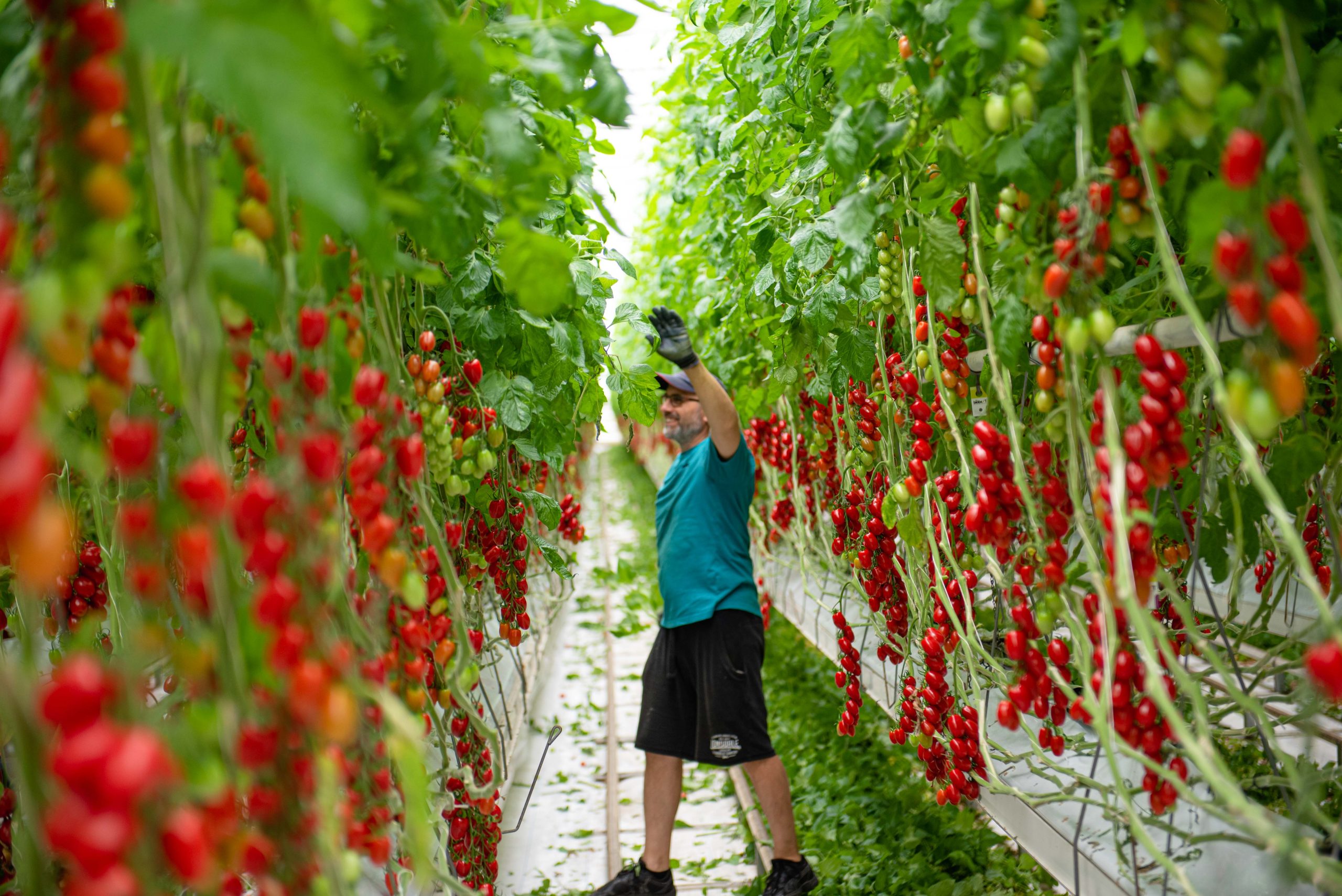
Sustainable energy, often harnessed from sources like solar, wind, and hydropower, offers a multitude of benefits for our planet and society. It significantly reduces greenhouse gas emissions, mitigating the impacts of climate change. By relying on clean, renewable sources, we can decrease our reliance on fossil fuels and transition to a low-carbon future. This is why at R&L Holt, we take sustainable energy practices seriously and our aim is to do the very best for our plants and our plant.

Are you wondering what we do to keep our practices sustainable? Keep reading…

  1.     Energy and Heating

With protected crops and all year round production we do heat our crops in the UK as do growers in all of Northern Europe. To remain efficient and sustainable we use steam and hot water biomass boilers and have CHP engines to help power the lit crops. We use gas via anaerobic digestor plant and utilise the byproduct carbon dioxide to help the crops to grow.

  1.     Water

All sites have reservoirs that collect rain water. With filtration and sterilisation equipment used we recirculate solution in closed systems to ensure we are efficient with this resource.

  1.     Pollination

We use Native bumble bees to pollinate our plants with the aim to work simultaneously with bees to benefit them and our plants.

  1.     Biological Control

An IPM (Integrated Pest Management) approach to control pest and disease is used. Introductions of natural predators in the crop helps to reduce crop stress and leaf damage and help to optimise the growth of the crop.

  1.     Climate Control

This high-tech industry has computers controlling the climate. This includes monitoring temperature, humidity, ventilation, screening, irrigation and lighting.

  1.     Waste Material

All leaves and waste from the plants is used in the Anaerobic Digestors or composted.

Happy National Cheese Toastie Day!

To celebrate this  gouda day, we would like to share with you this delicious Cheese Toastie with Tomatoes recipe.

This comforting and versatile sandwich combines the classic flavours of melted cheese and ripe tomatoes. Feel free to get creative with additional seasonings or add-ins to customise it to your taste preferences!

 Ingredients:

4 slices of your favourite bread

1-2 ripe tomatoes, thinly sliced

1 1/2 cups shredded cheddar cheese (or your preferred cheese)

2 tablespoons butter, softened

Salt and pepper, to taste

Optional additions: a sprinkle of dried basil or a few fresh basil leaves, a dash of hot sauce, or a slice of cooked bacon

Method:

Step 1 – Butter the Bread: Lay out the slices of bread and spread a thin layer of softened butter on one side of each slice. This will become the outer, crispy layer of the toastie.

Step 2 – Layer the Fillings: On the unbuttered side of one bread slice, place a layer of thinly sliced tomatoes. Season the tomatoes with a pinch of salt and pepper to enhance their flavour.

Step 3 – Add Cheese: Sprinkle a generous amount of shredded cheddar cheese (or your preferred cheese) over the tomatoes. If you like it extra cheesy, go ahead and load it up!

Step 4 – Optional Additions: If you want to add some extra flavour, consider sprinkling a bit of dried basil, adding a few fresh basil leaves, or drizzling a dash of hot sauce over the cheese. You can also add a slice of cooked bacon for a smoky twist.

Step 5 – Create the Sandwich: Place another slice of bread on top of the cheese and fillings, buttered side facing out.

Step 6 – Cook the Toastie: Heat a skillet or griddle over medium-low heat. Once it’s hot, carefully place the cheese toastie onto the skillet. Cook it for 2-3 minutes on each side, or until the bread becomes golden brown and crispy, and the cheese melts to your desired gooeyness.

Step 7 – Press and Flip: If you have a panini press or a sandwich press, you can use it to press down on the toastie as it cooks. If not, you can use a spatula to gently press it while cooking, which helps melt the cheese and create that deliciously crispy exterior.

Step 7 – Slice and Serve:Once both sides are beautifully golden and the cheese is melted, remove the toastie from the skillet. Let it cool for a moment before slicing it in half diagonally. This makes it easier to handle and enjoy.

The tomato, now an indispensable part of British cuisine, has a fascinating history in the United Kingdom. However, it wasn’t always welcomed with open arms. In this blog, we’ll take a journey through time to explore the intriguing story of how the tomato evolved from a suspicious, even feared, fruit to a beloved ingredient in British cooking.

Tomatoes: An Exotic Arrival:

In the early 16th century, tomatoes arrived in Britain as part of the Columbian Exchange, which brought New World crops to Europe. Initially, they were viewed with scepticism and even fear. The tomato’s vibrant red colour led many to believe it was poisonous, a suspicion further fuelled by its botanical relationship to the deadly nightshade family.

Tomatoes as Table Ornaments:

For several centuries, tomatoes were primarily grown as ornamental plants rather than food. Their striking appearance made them popular in European gardens, but they were rarely found on British plates.

A Slow Culinary Evolution:

It wasn’t until the 18th century that the tomato began to make its way into British cuisine, albeit cautiously. Early recipes featured tomatoes in pies, often combined with sugar and spices to temper their perceived tartness. Slowly, the tomato was inching its way into British kitchens.

The Influence of Italian and Spanish Cuisine:

The breakthrough for the tomato in Britain came with the influence of Italian and Spanish cuisine. Both of these cuisines embraced tomatoes, and as British travellers and traders returned from these Mediterranean regions, they brought back a taste for tomato-based dishes.

Tomato Triumphs in the 19th Century:

The 19th century saw a surge in the popularity of tomatoes in Britain. They were featured in soups, sauces, and salads. The publication of Mrs. Beeton’s “Book of Household Management” in 1861 included numerous tomato recipes, helping to cement their place in British cooking.

Tomatoes in the Modern British Diet:

By the 20th century, tomatoes had become a staple in the British diet. The introduction of tomato ketchup, canned tomatoes, and tomato-based products further solidified their status. Today, tomatoes are essential ingredients in classic British dishes like the full English breakfast and Ploughman’s lunch.

The Tomato’s Health Benefits:

Apart from their culinary significance, tomatoes gained recognition for their health benefits. They are rich in vitamins, particularly vitamin C and lycopene, a powerful antioxidant linked to heart health and cancer prevention.

The tomato’s journey through British history is a testament to the ever-evolving nature of culinary traditions. From being feared as poisonous to being celebrated as a versatile and nutritious ingredient, the tomato’s acceptance in British cuisine is a story of adaptation, openness to new flavours, and the enduring appeal of delicious food. Today, tomatoes stand as a symbol of the diverse and vibrant culinary landscape in the United Kingdom, and their journey is a testament to the power of culinary curiosity and innovation.

Spooky Season is upon us and what better way to get into the Halloween spirit than with some spooky snacks?

These tasty tortilla bats are scarily delicious. Not only are they delicious but also make for a spooky and playful Halloween treat. Perfect for parties or family gatherings, they’re sure to delight guests of all ages with their eerie charm and fantastic flavour.

Ingredients:

For the Tortilla Bats:

4 large flour tortillas

2 cups shredded cheese (cheddar or a blend)

1 cup cooked and shredded chicken (optional)

1/2 cup black olives, sliced

1/2 cup sour cream (for decorating)

1/4 cup black beans, drained and rinsed

1/4 cup red bell pepper, finely chopped

Cooking spray

For the Tomato Salsa:

4 ripe tomatoes, diced

1/2 red onion, finely chopped

1/4 cup fresh cilantro, chopped

1 jalapeño pepper, finely chopped (adjust for spiciness)

Juice of 1 lime

Salt and pepper to taste

Method:

For the Tortilla Bats:

Step 1 – Preheat the Oven: Preheat your oven to 350°F (175°C) and line a baking sheet with parchment paper.

Step 2 – Cut Bat Shapes: Using a bat-shaped cookie cutter or a paper template, cut bat shapes from the flour tortillas. You can make as many bats as you’d like, depending on the size of your tortillas.

Step 3 – Add Filling: In a bowl, combine the shredded cheese, cooked chicken (if using), black olives, black beans, and red bell pepper. Place a spoonful of this mixture on half of the bat-shaped tortillas.


Step 4 – Top and Seal: Place the remaining tortilla bats on top of the filling. Use a bit of water to help seal the edges, pressing down with a fork to create a decorative edge. This seals in the filling.

Step 5 – Bake: Place the bat-shaped tortillas on the prepared baking sheet. Lightly spray the tops with cooking spray. Bake in the preheated oven for about 10-12 minutes, or until they are golden brown and crisp.

Step 6 – Decorate: Once the tortilla bats have cooled slightly, use sour cream to draw spooky bat faces on top. You can get creative with the expressions!


For the Tomato Salsa:

Step 1 – Prepare the Ingredients: In a bowl, combine the diced tomatoes, chopped red onion, cilantro, and jalapeño pepper.

Step 2 – Add Flavour: Squeeze the juice of one lime over the mixture and season with salt and pepper. Stir well to combine.

Step 3 – Plate: Place your tortilla bats on a serving platter.

Step 4 – Dip: Serve the spooky tortilla bats alongside the fresh tomato salsa as a delicious and fun Halloween snack. Enjoy!

Summer’s vibrant tomato harvest can be overwhelming, leaving you with an abundance of this juicy fruit. Rather than letting them go to waste, preserving tomatoes at home ensures you can enjoy their freshness and flavour year-round. Whether you have a sprawling garden or picked up a bounty at the farmer’s market, here are the best ways to make those tomatoes last.

Canning for Longevity

Canning is one of the most popular and efficient methods to preserve tomatoes. It locks in their freshness and flavour, allowing you to enjoy them in sauces, soups, and stews throughout the year.

Whole Tomatoes: Start by blanching tomatoes to remove their skins. Then, pack them into sterilized jars with a bit of lemon juice or citric acid to preserve colour and acidity. Process the jars in a water bath canner.

Tomato Sauce: Simmer down a rich tomato sauce with garlic, onions, and herbs. Pour the sauce into sanitized jars and process in a water bath. This sauce becomes a versatile base for pasta, pizzas, and more.

Salsa: Create zesty tomato salsa by combining tomatoes, onions, peppers, and cilantro. Process the jars in a water bath for salsa ready to grace your tortilla chips.

Freezing for Convenience

Freezing tomatoes is a straightforward method that retains their vibrant colour and flavour, perfect for recipes like chili and curries.

Blanched Tomatoes: Start by blanching tomatoes in boiling water for a minute, then transferring them to an ice bath to stop the cooking process. Remove the skins and freeze the tomatoes whole or chopped.

Tomato Puree: Blend fresh tomatoes into a puree and freeze it in airtight containers or ice cube trays. This puree can be used in a variety of dishes like soups and sauces.

Drying for Intense Flavour

Drying tomatoes concentrates their flavours into a chewy, intensely flavoured form. They’re a fantastic addition to salads, pasta, and sandwiches.

Sun-Drying: If you live in a sunny, dry climate, sun-drying is an option. Slice tomatoes and lay them out in a sunny spot with good air circulation, often on screens or trays. This method can take several days.

Oven-Drying: If you don’t have the climate for sun-drying, use your oven. Place sliced tomatoes on baking sheets, sprinkle with salt, and bake at a low temperature (around 93°C) for several hours until they reach your desired dryness.

Pickling for a Tangy Twist

Tomatoes can also be pickled to create tangy, flavourful additions to salads, sandwiches, and cheese platters.

Cherry Tomatoes: Cherry tomatoes are ideal for pickling. Combine them with vinegar, sugar, and spices to create a pickling brine. Pack the tomatoes into sterilised jars, pour the brine over them, and process in a water bath.

Preserving tomatoes at home not only reduces food waste but also allows you to savour the taste of summer all year long. Depending on your preference and culinary needs, choose from canning, freezing, drying, or pickling methods. With a well-preserved tomato stash, you’ll always have the base for delectable sauces, hearty soups, and vibrant salads right at your fingertips, regardless of the season. So, seize the moment and capture the essence of summer in your kitchen with these preserving techniques.