Click here to send us an email. Click here to call us.

Category: Uncategorised

Every year on April 1st, people around the world try to fool their friends with stories and jokes —but what if we told you that some of the craziest tomato “myths” are actually true? At R&L Holt, we love a good tomato tale, as you know from our previous blogs!

Today, we’re setting the record straight on some surprising tomato facts that are 100% real!

  1. Tomatoes Used to Be Feared

Believe it or not, tomatoes were once considered dangerous! Back in the 1700s, many Europeans thought tomatoes were poisonous because they belonged to the deadly nightshade family. Some even called them “poison apples” after noblemen who ate from pewter plates (which contained lead) mysteriously fell ill after consuming tomatoes.

  1. Tomatoes Are a Fruit and a Vegetable

You’ve probably heard the classic debate: Are tomatoes a fruit or a vegetable? Botanically, tomatoes are classified as a fruit because they develop from the flower of a plant and contain seeds—just like apples, oranges, and berries.

However, in 1893, the U.S. Supreme Court ruled that tomatoes were legally a vegetable because they are used in savoury dishes rather than sweet ones. So, while science says fruit, the law says veggie—talk about an identity crisis!

  1. Ketchup Was Once Sold as Medicine

Think ketchup is just a tasty condiment? In the 1830s, some doctors believed tomato ketchup had medicinal properties! A physician named Dr. John Cook Bennett claimed that tomatoes could cure indigestion, diarrhoea, and even cholera. He even turned ketchup into a pill and marketed it as a wonder drug.

Which fact surprised you the most? Let us know!
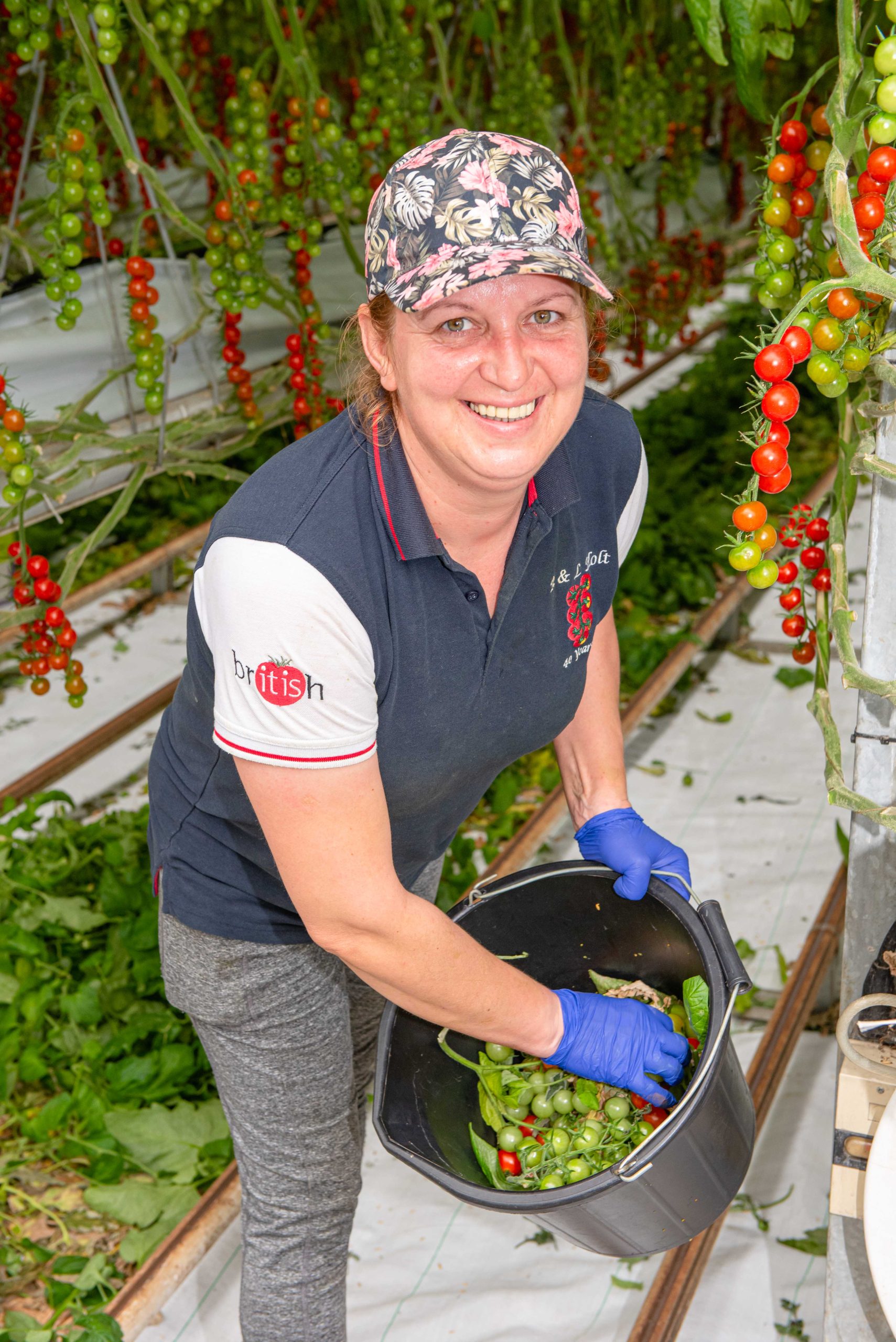
Tomatoes are one of the most popular and versatile ingredients in the world, but there’s more to them than meets the eye! From their surprising history to their quirky scientific traits, here are three fun facts about tomatoes that might just surprise you.

  1. Tomatoes Were Once Thought to Be Poisonous!

Can you imagine a world where people were afraid to eat tomatoes? Back in the 16th and 17th centuries, Europeans believed tomatoes were toxic because they belonged to the nightshade family—a group of plants that includes some poisonous varieties. Wealthy people who ate tomatoes off pewter plates sometimes got ill due to lead poisoning, which only fuelled the myth. Thankfully, tomatoes were later embraced as a delicious and safe food, and today, they’re a staple in cuisines worldwide!

  1. Tomatoes Are Technically a Fruit

Botanically speaking, tomatoes are a fruit because they develop from a flower and contain seeds—just like apples and oranges! However, in 1893, the U.S. Supreme Court ruled that tomatoes should be classified as a vegetable for trade and taxation purposes. Why? Because they’re typically used in savoury dishes rather than sweet ones. So whether you call it a fruit or a vegetable, tomatoes remain one of the most delicious and debated foods in history!

  1. There Are Over 10,000 Varieties of Tomatoes!

From tiny cherry tomatoes to massive beefsteak tomatoes, there are thousands of different varieties grown around the world! Some are deep red, while others come in yellow, orange, green, purple, and even black! One of the most unusual is the Blue Tomato, which has high levels of anthocyanins—an antioxidant also found in blueberries. Whether you prefer sweet, tangy, or rich flavours, there’s a tomato variety out there for everyone!

Spring is an exciting time for gardeners, especially if you’re growing tomatoes! As the weather warms up, it’s essential to give your tomato plants the best care to ensure a strong, healthy, and productive growing season. Here are three key tips to help your tomatoes thrive this spring!

1️. Choose the Right Planting Time & Protect from Late Frosts

Spring weather can be unpredictable, so timing is everything! Tomatoes are warm-weather plants, and they don’t do well in cold temperatures. Before planting outdoors:
– Wait until after the last frost—tomatoes thrive in temperatures above 10°C at night.
– If a late frost is expected, cover your plants with fleece or cloches to protect them.
– Start seeds indoors 6-8 weeks before the last frost to get a head start.

2️. Give Them Plenty of Sun & Nutrient-Rich Soil

Tomatoes love sunlight and nutrient-rich soil! To set them up for success:
– Plant in a spot with at least 6-8 hours of direct sunlight per day.
– Use well-draining, compost-enriched soil to provide essential nutrients.
– Add organic matter like aged manure or compost to boost soil health.

  1. Water Smartly & Support Their Growth

Tomatoes need consistent watering and support as they grow:
– Water deeply but less frequently—about 1-2 inches per week, depending on rainfall.
– Avoid getting the leaves wet to prevent diseases like blight.
– Use stakes or cages to support the plants early on and prevent them from falling over as they grow.

By following these simple spring tomato care tips, you’ll set your plants up for a delicious and bountiful harvest!

As winter slowly gives way to spring, tomatoes follow their own rhythm, transitioning from the hardier imported varieties we rely on in the colder months to the fresh, homegrown options that define warmer weather. The change in seasons brings a shift in tomato availability, flavour, and ways to use them in our kitchens. Here are three things to know about tomatoes as they transition from winter to spring:

1. The Rise of Greenhouse-Grown Tomatoes

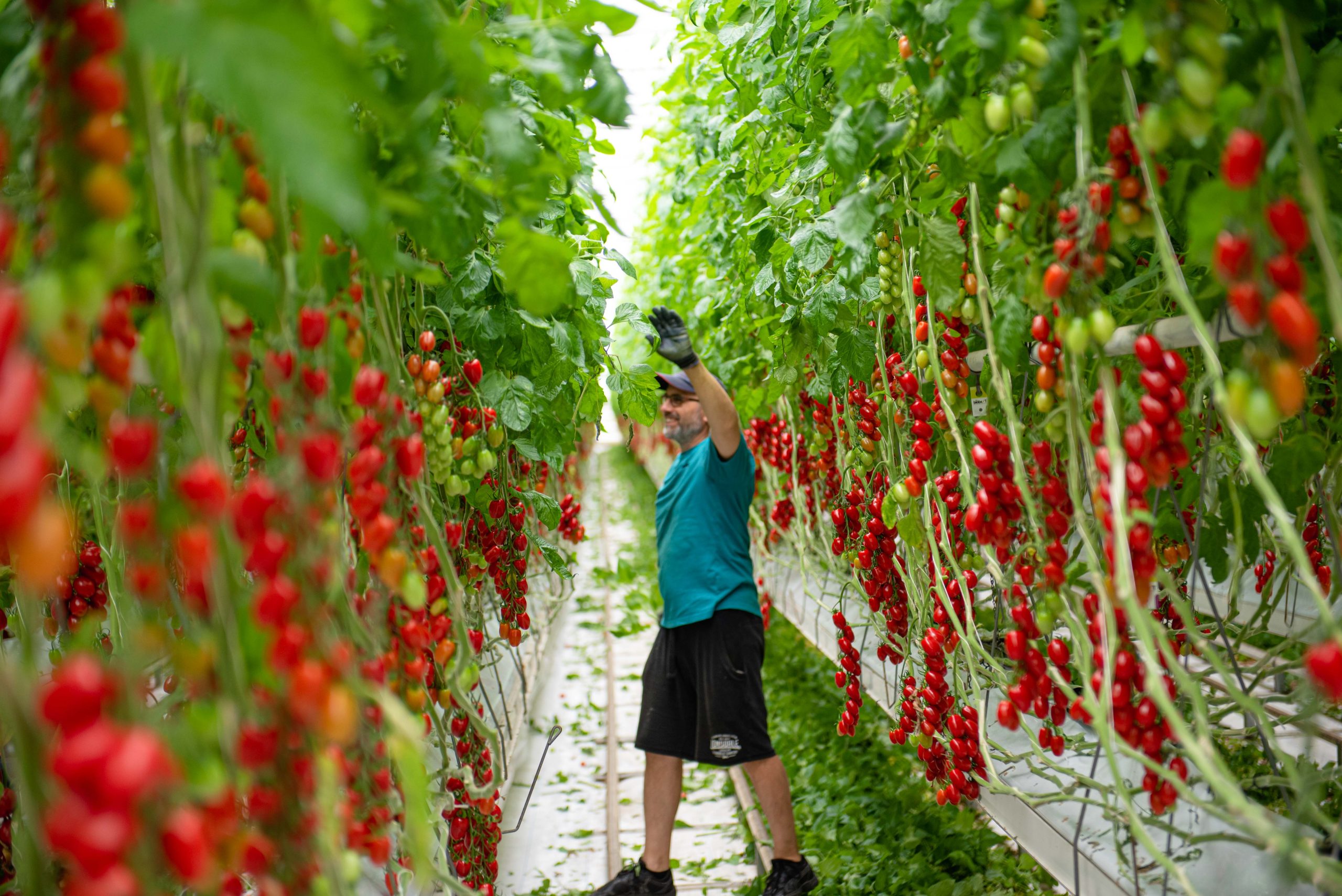
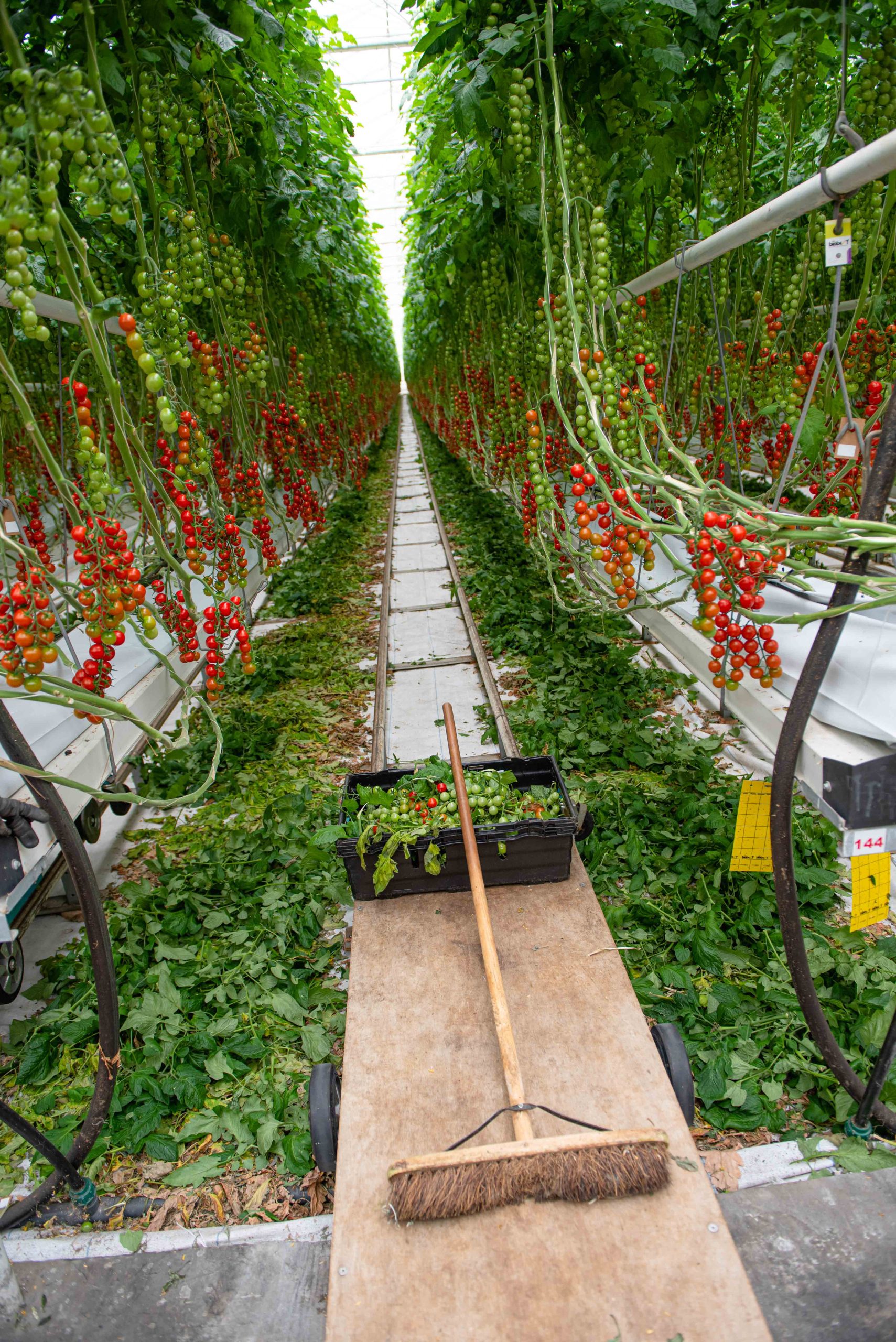
As winter fades, greenhouse-grown tomatoes become more abundant. These tomatoes are nurtured in controlled environments, where the temperature, humidity, and light are carefully managed. While they might not have the rich flavour of summer’s sun-kissed tomatoes, greenhouse-grown varieties such as vine-ripened and beefsteak tomatoes begin to show up in supermarkets around early spring.

These tomatoes often have a firmer texture and a mild, slightly tangy taste, making them perfect for dishes like fresh salads, sandwiches, or as toppings for pizzas. They are the bridge between the end of winter’s reliance on imported varieties and the fresh bounty of the spring harvest.

2. Early Spring Tomatoes in the Ground

While we may still be experiencing chilly temperatures in early spring, many farmers are starting to plant early-season varieties of tomatoes in greenhouses and polytunnels. These crops are protected from the cold and can begin to produce fruit in the more temperate conditions of late March to early April.

Early-season tomatoes, such as small cherry and plum varieties, are typically the first to ripen. They might not be as sweet as their summer counterparts, but their bright, tangy flavour adds a burst of freshness to dishes, like pasta salads, or even as a topping for toasted sourdough bread. As the days grow longer and sunnier, these tomatoes will gradually begin to develop that sweet, summery taste we all crave.

3. The Shift Toward Fresh, Seasonal Dishes

The transition from winter to spring also means the shift toward lighter, fresher dishes using seasonal ingredients. As early spring tomatoes become available, they begin to play a key role in meals that celebrate the changing seasons. Fresh tomato salads, vibrant salsas, and light pasta dishes are perfect for welcoming the arrival of spring.

This is also the time when tomatoes really shine in dishes like shakshuka (tomato and egg skillet), where their natural sweetness pairs beautifully with the richness of eggs and spices. As we move into spring, it’s the perfect moment to start incorporating more raw, uncooked tomato dishes that highlight their fresh, zesty flavour.

As we move toward the summer months, the best is yet to come!

Tomatoes are a staple in kitchens worldwide, but how much do you really know about this vibrant, versatile fruit? While we often think of tomatoes as just a salad or sauce ingredient, there’s so much more to these ruby-red gems than meets the eye. From their fascinating history to their health benefits, here are three surprising things you probably didn’t know about tomatoes:

1. Tomatoes Are Technically a Fruit, Not a Vegetable

It’s a common misconception that tomatoes are vegetables, but in reality, they are classified as fruits! More specifically, tomatoes are a type of berry. According to botanical definitions, fruits are the mature ovary of a flowering plant, typically containing seeds. Since tomatoes grow from the flowering part of the plant and contain seeds, they meet the criteria of a fruit.

This distinction became a topic of legal debate in the US in 1893. The Supreme Court ruled in Nix v. Hedden that tomatoes should be taxed as vegetables for tariff purposes, even though they are scientifically fruits. So, next time someone asks if you prefer vegetables or fruits, you can cheekily tell them tomatoes count as both!

2. Tomatoes Were Once Considered Poisonous

For centuries, tomatoes were met with suspicion in Europe, and in fact, they were believed to be poisonous. When they were first introduced from the Americas in the 1500s, many people were wary of eating them, partly because of their resemblance to the toxic nightshade family (which includes belladonna, a poisonous plant). In the 18th century, aristocrats even used porcelain dishes to serve tomatoes, and the acidity of the fruit would leach lead from the plates, contributing to widespread fear.

It wasn’t until the 19th century that tomatoes gained widespread popularity, especially in Italy, where they were embraced in Mediterranean cuisine. Over time, people learned to enjoy them without fear, and now tomatoes are one of the most beloved foods worldwide.

3. Tomatoes Are a Superfood for Your Skin

While tomatoes are widely known for their nutritional benefits, one of the lesser-known advantages is their ability to promote healthy skin. Tomatoes are packed with lycopene, a powerful antioxidant that gives them their red colour. Studies have shown that lycopene can protect the skin from UV damage, reduce the appearance of wrinkles, and improve overall skin texture.

In addition to lycopene, tomatoes are also rich in vitamin C, which helps stimulate collagen production and protect the skin from free radicals. So, the next time you’re enjoying a tomato-based dish, remember it’s not only doing good for your insides – it’s helping your skin stay radiant as well.

Tomatoes are far more fascinating than just a salad topping or pasta ingredient. From their fruit status and history of suspicion to their incredible skin benefits, these humble red fruits have a lot to offer. So, next time you bite into a juicy tomato or stir a pot of sauce, you can appreciate them even more, knowing the surprising history and health benefits behind them.

Tomatoes might not be the first ingredient that comes to mind during the chilly month of February, but even in the colder months, they remain a versatile and essential part of our diets in the UK.

1. Imported Varieties Keep the Tomato Spirit Alive

While the UK’s growing season for fresh tomatoes peaks in summer, February offers a variety of high-quality imported tomatoes, especially from warmer climates like Spain, Morocco, and the Canary Islands. These tomatoes are grown sustainably in greenhouses or warmer fields, bringing the sun-kissed flavour of summer to your winter kitchen.

Look for cherry tomatoes, plum varieties, and on-the-vine options in your local supermarkets – they pack intense flavour even during the colder months. Plus, these tomatoes are perfect for slow-cooked dishes, where their sweetness deepens as they simmer.

2. A Nutritional Boost for Winter Wellness

Tomatoes are a fantastic source of vitamin C, potassium, and antioxidants like lycopene, which helps support your immune system and heart health – exactly what you need to fight off winter colds. Even in February, incorporating tomatoes into soups, stews, and roasted vegetable dishes can give you that extra boost of nutrition and flavour.

Hot, comforting dishes like tomato basil soup or baked pasta with a rich tomato sauce are the perfect way to stay warm and healthy in winter.

3. The Perfect Ingredient for Romantic Winter Meals

February is the month of Valentine’s Day, making tomatoes a key ingredient for romantic dinners at home. Whether it’s a bold and spicy spaghetti arrabbiata or a creamy tomato risotto, tomatoes are perfect for creating meals that feel indulgent yet wholesome.

For an elegant appetizer, consider bruschetta with roasted cherry tomatoes, basil, and olive oil – it’s simple yet bursting with flavour. Tomatoes add a vibrant, passionate red to your table, making them a fitting choice for celebrating love.

Tomatoes may not be the star of the UK’s seasonal produce in February, but they’re still a versatile and nutritious ingredient worth embracing. With high-quality imports, health benefits, and their role in comforting or romantic dishes, they’re a winter essential in their own right.

So, this February, grab some ripe tomatoes and let them brighten up your cold-weather meals – you’ll be glad you did!

Tomatoes are one of the most versatile and beloved ingredients in kitchens worldwide. Whether you’re a foodie, a gardener, or just someone looking to eat healthier, tomatoes deserve a special spot in your life. Here are three quick reasons why tomatoes are amazing!

  1. Packed with Nutritional Goodness

Tomatoes are a nutritional powerhouse. They’re loaded with vitamins like C and A, as well as potassium and antioxidants like lycopene. These nutrients support heart health, boost your immune system, and even protect your skin from sun damage.

  1. Delicious and Versatile

Tomatoes can be enjoyed in countless ways — raw in salads, cooked into sauces, or even roasted for a rich, caramelized flavour. They’re the star of classics like pizza, pasta, and salsa, making them a staple in cuisines around the globe.

  1. Easy to Grow at Home

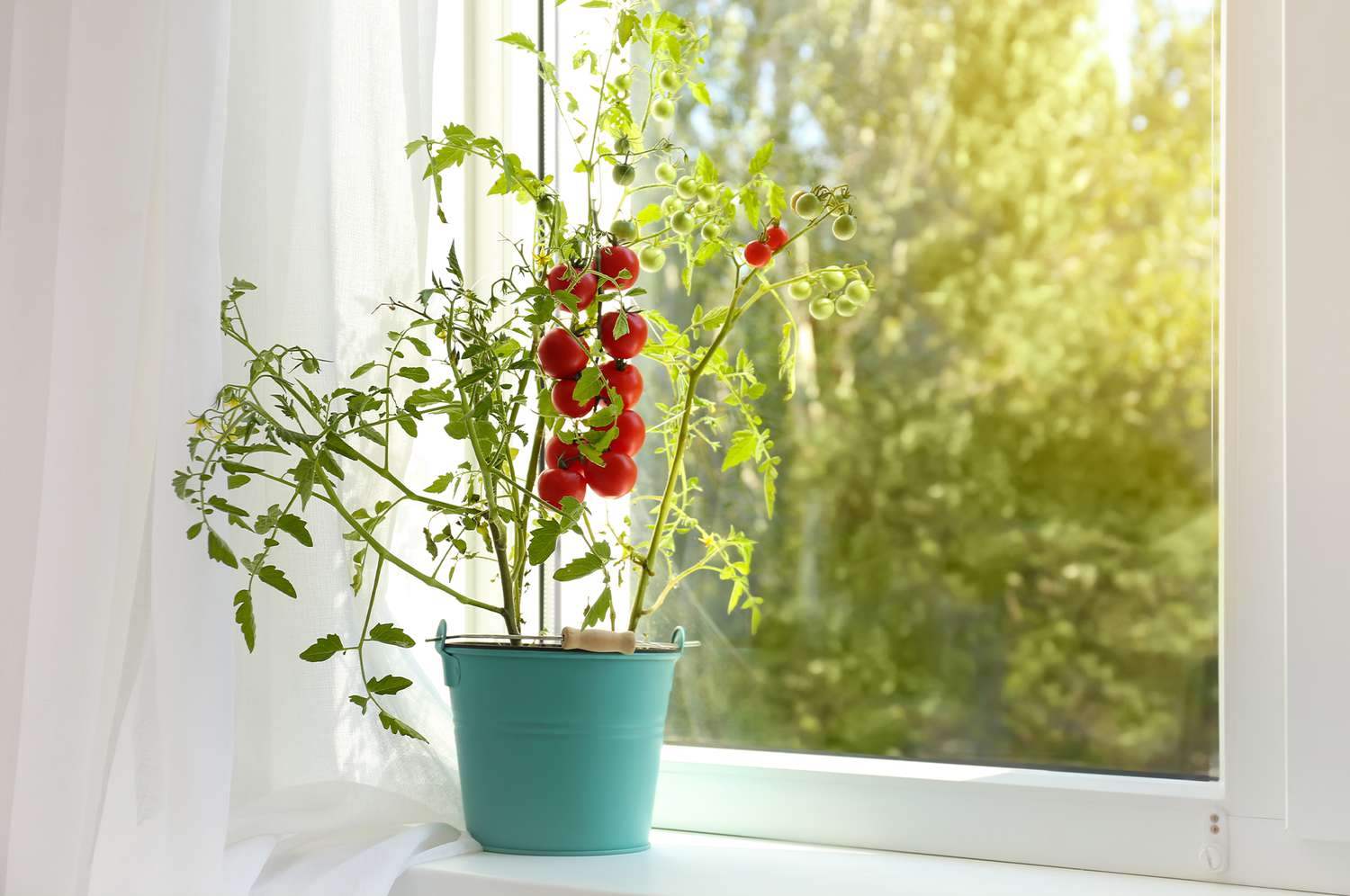
Tomatoes are beginner-friendly plants that thrive in gardens, greenhouses, or even pots on a sunny windowsill. With a little care, you can enjoy fresh, homegrown tomatoes all summer long. Plus, nothing beats the taste of a tomato picked straight off the vine!

Whether for their health benefits, flavour, or the joy of growing them, tomatoes are a true gem. Add more tomatoes to your meals and see why they’re loved by so many around the world!

The New Year is the perfect time to embrace new habits, including getting your garden in top shape. If you’re a tomato plant enthusiast, starting the year with a commitment to better plant care can set you up for a bountiful harvest. Whether you’re a seasoned gardener or a newbie, these three tips will help you give your tomato plants the best start to the year.

  1. Choose the Right Variety for Your Needs

Success begins with selecting the right tomato variety for your climate, space, and preferences. Whether you grow indoors, in a greenhouse, or outdoors, there’s a tomato for you.

  • Indeterminate vs. determinate: Indeterminate tomatoes (like cherry or heirloom varieties) grow continuously and need staking. Determinate tomatoes (like Roma or bush varieties) grow to a fixed size and are more compact — great for smaller spaces.
  • Consider your climate: In the UK, cooler summers are common, so opt for hardy, fast-maturing varieties like Gardener’s Delight or Sungold if you’re growing outdoors.
  • Container vs. garden planting: If you’re limited on space, choose varieties like Tiny Tim or Patio Princess, which thrive in pots.
  1. Provide Proper Nutrition and Watering

Tomatoes are heavy feeders and require consistent care to thrive.

  • Fertilising: Use a balanced fertiliser when planting, switching to one high in potassium (like tomato feed) once flowering starts. This helps boost fruit production.
  • Watering: Keep soil evenly moist but avoid overwatering, as it can lead to root rot or splitting fruit. Inconsistent watering often results in blossom-end rot. Water in the morning to allow the leaves to dry before nightfall, reducing the risk of fungal diseases.
  • Mulching: Add a layer of organic mulch, like straw or compost, around the base to retain soil moisture and regulate temperature.
  1. Support, Prune, and Protect

Healthy tomato plants need structural support, regular pruning, and protection from pests and diseases.

  • Staking or caging: Indeterminate tomatoes require stakes or cages to keep the plant upright and prevent fruits from touching the ground, reducing rot and pest issues.
  • Pruning: Remove any lower leaves that touch the soil, as well as suckers (small shoots that grow between the main stem and branches) to focus the plant’s energy on fruit production.
  • Pest control: Keep an eye out for common issues like aphids, whiteflies, or blight. Use organic pest control methods like neem oil or companion planting (e.g., marigolds) to deter unwanted visitors.

Grab your gardening gloves, and let’s make this the year of the best tomato harvest yet. Happy gardening!

Tomatoes might not be the first ingredient you associate with Christmas, but their vibrant colour, versatility, and fresh flavour make them a surprising star of the season. Here are three ways tomatoes take centre stage during the festive period:

  1. Adding a Festive Touch to Starters

Tomatoes bring a splash of Christmas cheer to appetisers. Their rich red colour perfectly matches the Christmas palette, making them ideal for dishes like bruschetta, caprese skewers, or even tomato and basil tarts. Pair them with fresh herbs like basil or thyme and a drizzle of olive oil for a starter that’s simple yet sophisticated.

Try This: Serve roasted cherry tomatoes with burrata as a warm and indulgent starter. It’s a crowd-pleaser that’s as delicious as it is appetising.

  1. A Fresh Contrast in Hearty Christmas Salads

While the festive season is full of indulgent meals, tomatoes offer a refreshing contrast in festive salads. From pomegranate and tomato medleys to classic caprese salads with a balsamic glaze, they bring brightness to heavier holiday menus.

Tip: Use a mix of red and yellow cherry tomatoes to add extra colour to your table. Toss them with fresh greens, nuts, and a citrus vinaigrette for a salad that feels as special as the season.

  1. A Festive Ingredient for Comforting Soups

Tomato-based soups and bisques are warm and comforting, making them a perfect fit for chilly Christmas evenings. Classic tomato soup can be elevated with Christmas-inspired toppings like crispy sage, croutons shaped like stars, or a swirl of cream.

Festive Hack: Pair your tomato soup with grilled cheese bites cut into festive shapes for a cozy and fun Christmas Eve treat.

How do you use tomatoes during Christmas? Share your ideas with us! 🎄🍅

Tomatoes are a staple in kitchens worldwide, but there’s more to these juicy fruits than meets the eye. Here are five fun facts about tomatoes that will surprise and delight you!

  1. Tomatoes Are Technically a Fruit

Botanically, tomatoes are classified as fruits because they grow from the flower of the plant and contain seeds. However, in 1893, the U.S. Supreme Court ruled them a vegetable for taxation purposes!

  1. There Are Over 10,000 Varieties

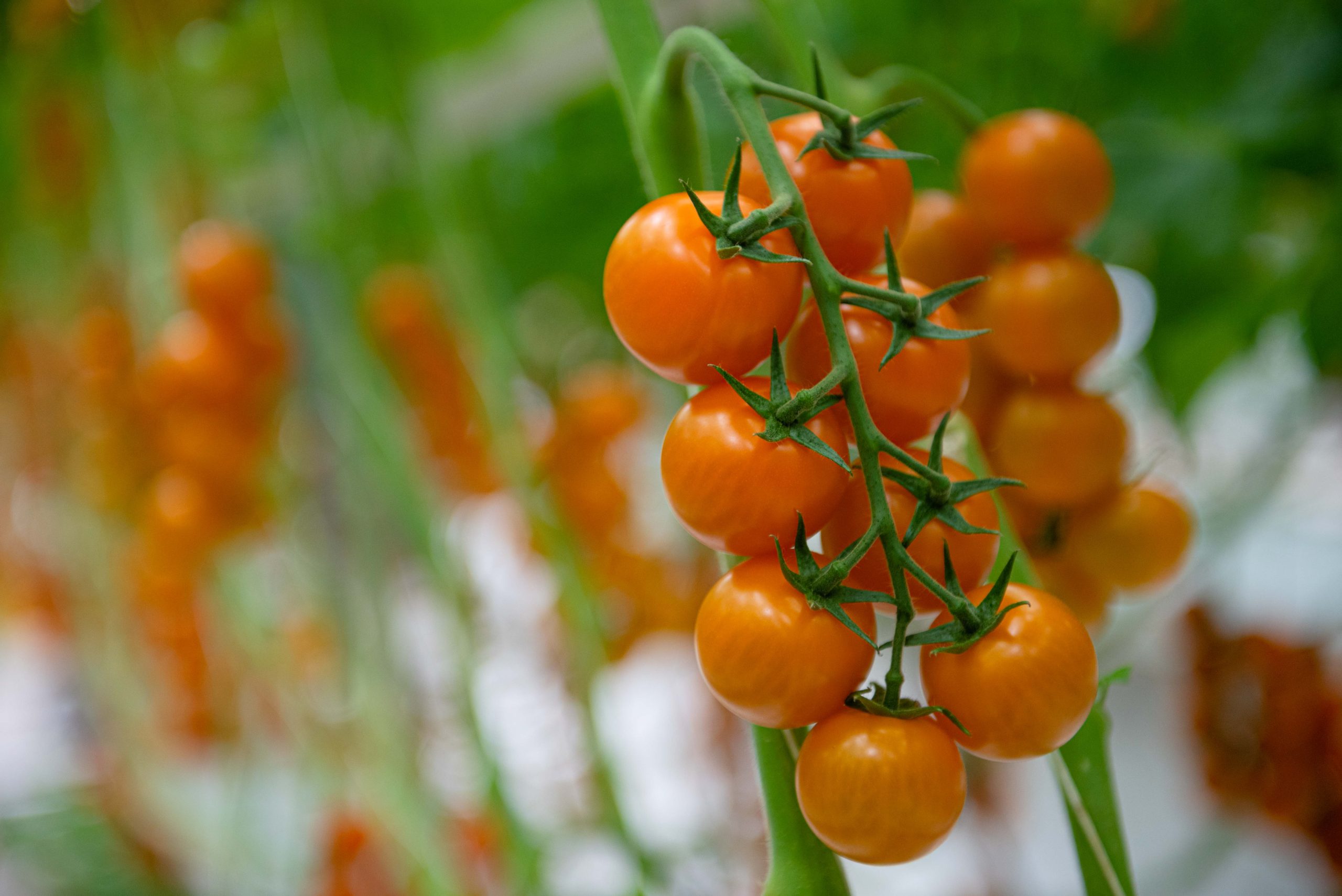
From tiny cherry tomatoes to massive beefsteaks, the world is full of tomato varieties in every shape, size, and colour. You can even find purple, yellow, and striped tomatoes!

  1. Tomatoes Were Once Feared

In the 1700s, Europeans called tomatoes “Poison Apples,” believing they were toxic. This misconception came from wealthy diners eating tomatoes on pewter plates, which reacted with the fruit’s acidity and caused lead poisoning.

  1. Tomatoes Have Been to Space

Tomato seeds have been grown aboard the International Space Station as part of experiments to study how plants grow in microgravity. Space tomatoes, anyone?

  1. They’re Full of Health Benefits

Packed with antioxidants like lycopene, tomatoes help fight free radicals, promote heart health, and boost your immune system. They’re a delicious way to stay healthy!

Tomatoes are more fascinating than they seem, from their fruit vs. vegetable debate to their space travels. Which fact surprised you the most? Let us know!